[INDUSTRIES WE SERVE]

Full emissions control, from pit to processing plant.
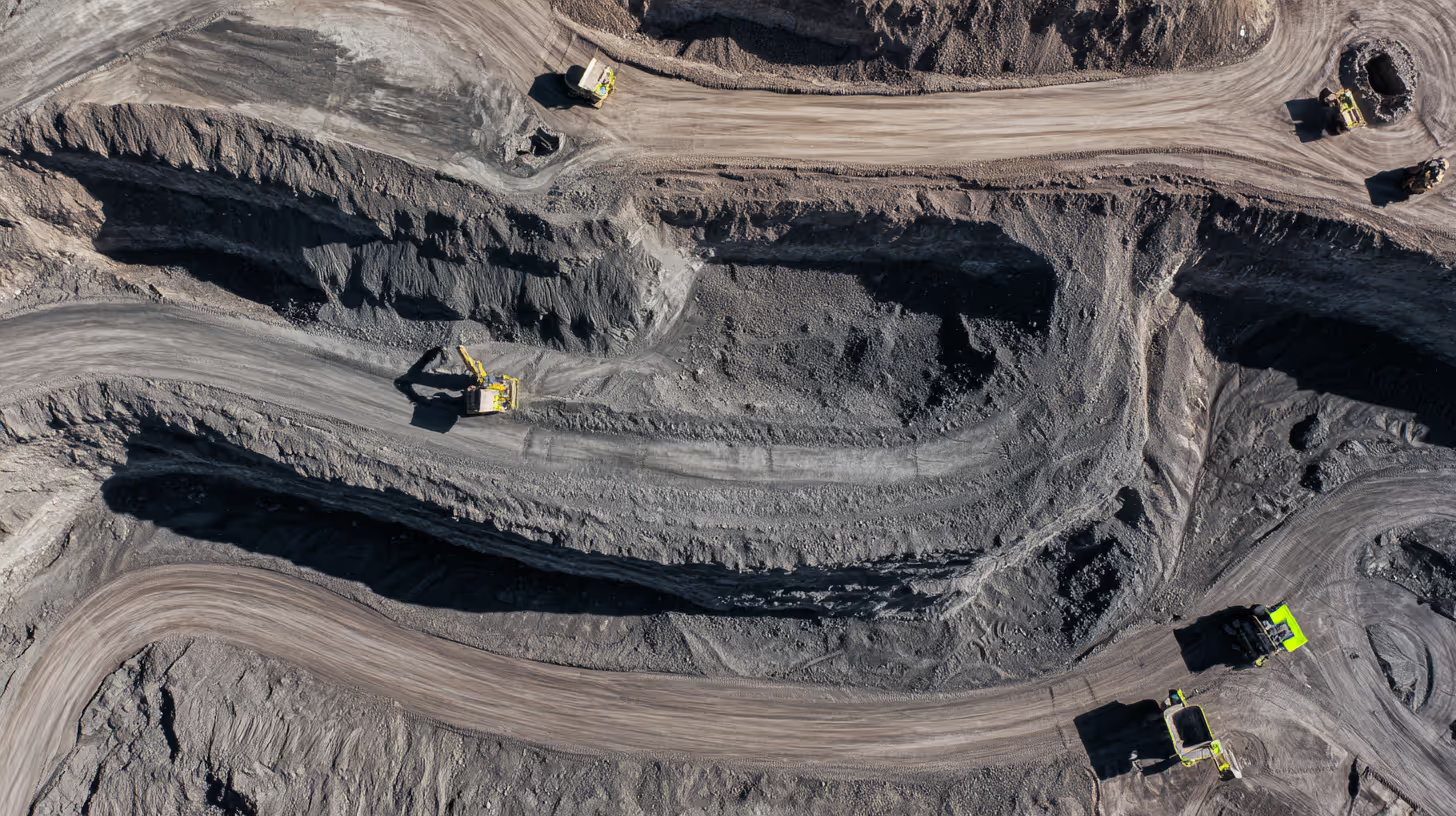
Mining is one of the most carbon-intensive industries, with emission sources distributed across vast and remote operations. CarbonOS connects directly to your SCADA systems, heavy fleet telemetry, and energy meters, normalising field data in real time.
our expertise
our expertise
PROGRAMS &
TECHNOLOGY PARTNERS
Optimise heavy-fleet fuel use (ICMM reference)
By optimising routes and processes, CarbonOS cuts costs and reduces your fleet’s carbon footprint.
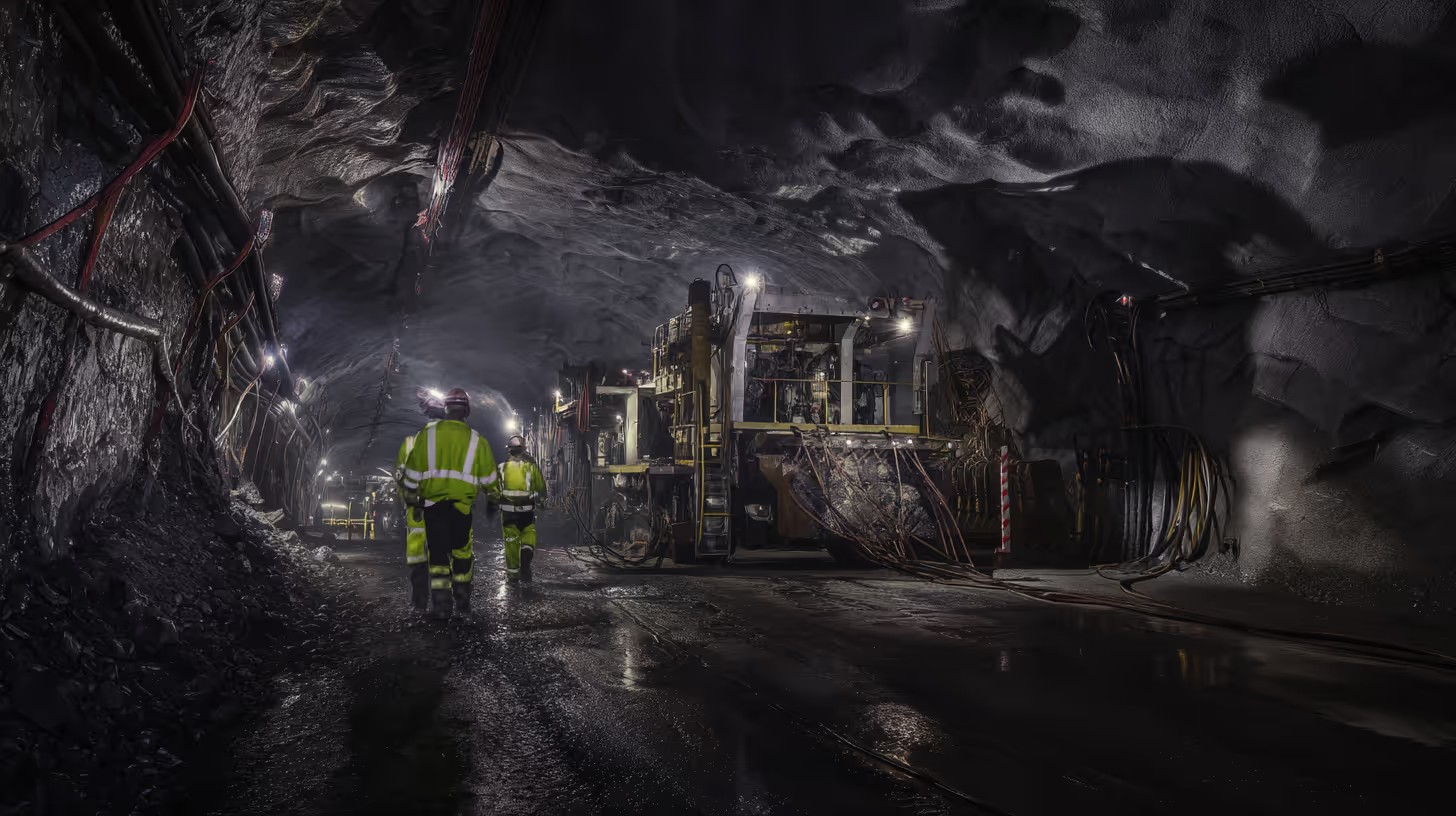
[CARBON INTELLIGENCE]
Automated GHG inventory by scope, with a monthly close and a complete audit trail.
Carbon Intelligence automates the monthly GHG inventory close: Scope 1 (diesel in excavators, haul trucks, and generators, ANFO explosives, fugitive methane), Scope 2 (grid electricity), and Scope 3 (ore transport, purchased inputs, and business travel). Proof Engine produces a complete audit trail with data lineage and ERP reconciliation.
Right arrow iconRight arrow icon
our process
Signal Ingest & SCADA
Asset Graph & Digital Twin
Compliance Hub & NGER
Trading Desk & Credits
[SENTINEL AI]
Sentinel AI continuously monitors fuel and energy consumption and flags anomalies such as sudden jumps in fleet idle time or unusual load-factor swings.
Right arrow iconRight arrow icon
our partners
[COMPLIANCE & DECARBONISATION]
Automated compliance and decarbonisation with an actionable roadmap.
Compliance Hub automates reporting for NGER, the Safeguard Mechanism and AASB S2, plus EU CBAM for exports to the EU, alongside CDP and GRI. Decarbonization Planner models fleet electrification, renewable supply, and SBTi alignment scenarios. Trading Desk lets you offset residual emissions with VCU (Verra), Gold Standard, and I-REC credits.
Heavy Fleet & Diesel
Fugitive Emissions
Grid Electricity
NGER & AASB S2
SBTi & Net Zero
Automated inventory icon
CDP & TCFD
emissions
management
carbonova systems
environmental compliance
Companies and partners that trust Carbonova
[Frequently asked questions]

Low-carbon mining with AI: frequently asked questions

Short answers on diesel, power, costs and carbon rules in mining. To see them worked out with your own mine data, book a demo.

Right arrow iconRight arrow icon
book a demo

How does Carbonova help a mining operation cut costs and emissions?

Up arrow icon

Carbonova connects fleet, fuel-dispensing, energy-meter and processing-plant SCADA data to CarbonOS, a platform of AI agents that closes the Scope 1, 2 and 3 inventory, flags anomalies such as rising haul-truck idle time and ranks measures by cost per tonne of CO₂ avoided. The same dataset produces carbon reports for regulators, customers and investors, with an audit trail back to the source.

Where do a mine’s emissions and energy costs come from?

Up arrow icon

The two largest sources are usually diesel burned by haul trucks, loaders and generators and the electricity used for crushing and grinding, followed by explosives and, at some mines, methane. In a US Department of Energy reference study, grinding accounted for about 40% of the energy used in US mining and materials handling for 17% (DOE, 2007).

Which carbon rules apply to mining in Australia?

Up arrow icon

Mines emitting more than 100,000 tCO₂e a year are Safeguard Mechanism facilities, and their baselines fall by 4.9% a year to 30 June 2030. Sites below that threshold may still report energy and emissions under NGER, and large companies report Scope 1, 2 and 3 emissions under AASB S2, which applied to Group 2 entities from reporting periods starting on or after 1 July 2026.

What does exceeding a Safeguard baseline cost an Australian mine?

Up arrow icon

The facility must manage every tonne above its baseline, for example by surrendering Australian carbon credit units or Safeguard Mechanism Credits, and generic ACCUs ended the June 2026 quarter at a spot price of $37.95 (Clean Energy Regulator, 2026). Going below the baseline works the other way: the mine is issued SMCs it can sell. Carbonova tracks diesel and power emissions against the baseline each month and ranks the measures that close the gap.

How does Carbonova help cut haul-fleet diesel use?

Up arrow icon

Sentinel AI tracks fuel burn, idle time and load factor for each truck and flags drift, while the planning agent compares measures such as idle reduction, payload management, partial electrification and renewable power by cost per tonne of CO₂ avoided. Battery-electric haul trucks are still in field trials, so full fleet electrification is modelled as a long-term scenario rather than a baseline assumption.

How does Carbonova integrate mine data and keep it audit-ready?

Up arrow icon

Signal Ingest connects SCADA, ERP systems such as SAP or Oracle, energy meters, fleet IoT sensors and fuel and explosives purchase records, then normalises and versions the data. Proof Engine keeps each number’s lineage back to its source, with versioned emission factors and a change history, in line with the ISO 14064-3 verification standard, which makes third-party verification of the inventory easier.

[our blog]
Mining: News and Analysis.
Stay up to date with the latest innovations, technologies, and regulations for emissions management in mining. Our blog offers detailed analysis to help your company lead the transition to more sustainable mining.
LNG plant on the Burrup Peninsula in the Pilbara at blue hour, seen from red boulders and spinifex (AI-generated illustration)
Regulation
02 Nov 26
Safeguard Review: Is an Australian CBAM Coming?
Right arrow iconRight arrow icon
Minerals processing plant in the Pilbara with an adjacent solar farm and battery storage containers on red earth (AI-generated illustration)
News
18 Oct 26
How AI Cuts Costs and Creates New Revenue for Australian Heavy Industry: The 2026 Numbers
Right arrow iconRight arrow icon
LNG plant on the Burrup Peninsula in the Pilbara at blue hour, seen from red boulders and spinifex (AI-generated illustration)
Guide
30 Sep 26
AASB S2 and the Safeguard Mechanism: Emissions Data You Need
Right arrow iconRight arrow icon