
How AI Cuts Costs and Creates New Revenue for Australian Heavy Industry: The 2026 Numbers

Artificial intelligence applied to energy and carbon could generate US$1.3 trillion to US$2.6 trillion in additional revenue and cost savings by 2030, according to BCG. At an Australian mine, refinery, smelter or LNG plant, that money sits in four places: energy lost as waste heat (20% to 50% of industrial energy input, according to the US Department of Energy), diesel and gas that on-site renewables can replace, Safeguard Mechanism Credits earned by beating your baseline, and the climate reporting that AASB S2 now requires from more companies. Carbonova, a Brazil-based AI company for heavy industry, brings all four into one data layer. Here are the numbers, with sources.
The numbers at a glance
- US$1.3tn to US$2.6tn: value AI could generate by 2030 through additional revenue and cost savings in corporate sustainability, while cutting emissions by 5% to 10% (BCG).
- 20% to 50%: share of industrial energy input lost as waste heat (US Department of Energy).
- 10% or more in 18 months: typical energy performance gain after implementing ISO 50001 (Natural Resources Canada).
- 4.9% a year: the rate at which Safeguard baselines fall to 30 June 2030 for facilities above 100,000 tCO2e a year (Clean Energy Regulator).
- 1 SMC = 1 tonne: a Safeguard Mechanism Credit represents one tonne of CO2e below a facility's baseline and can be traded or surrendered (Clean Energy Regulator).
- 1 July 2026: start of AASB S2 climate reporting for Group 2 entities, with Group 3 from 1 July 2027 (AASB).
- About 31%: forecast capacity factor of the 60 MW Chichester solar farm in the Pilbara, or 164,700 MWh a year (ARENA).
Where the savings are
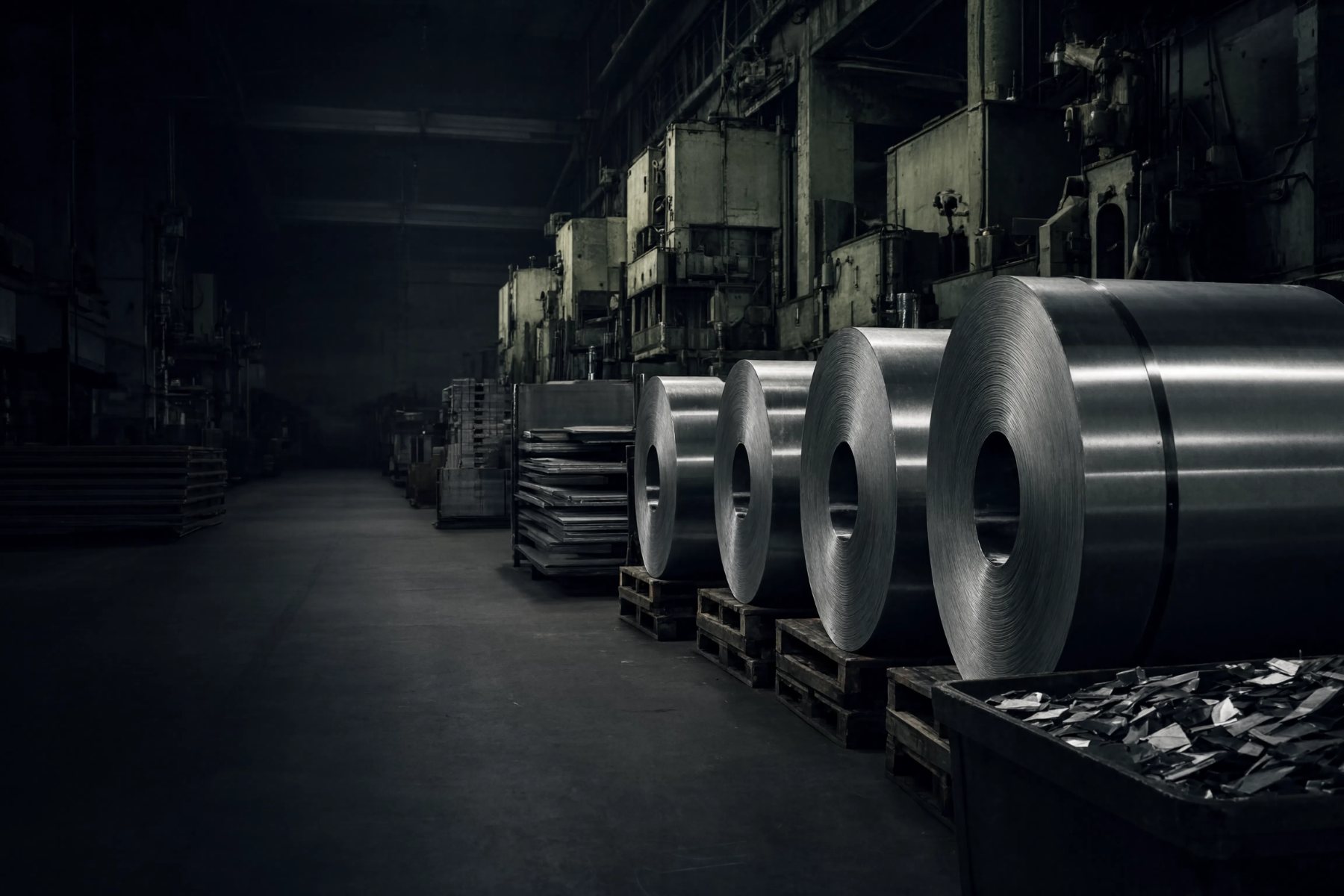
Waste heat and energy management. Between 20% and 50% of the energy a plant buys leaves as hot exhaust, cooling water and heated surfaces. Structured energy management pays back quickly: at nine US facilities certified under the Superior Energy Performance program, energy cost savings averaged US$503,000 a year, with a 1.7-year payback (Lawrence Berkeley National Laboratory). Illustrative maths: a site with an A$60 million annual energy bill that improves energy performance by 10% saves A$6 million a year.
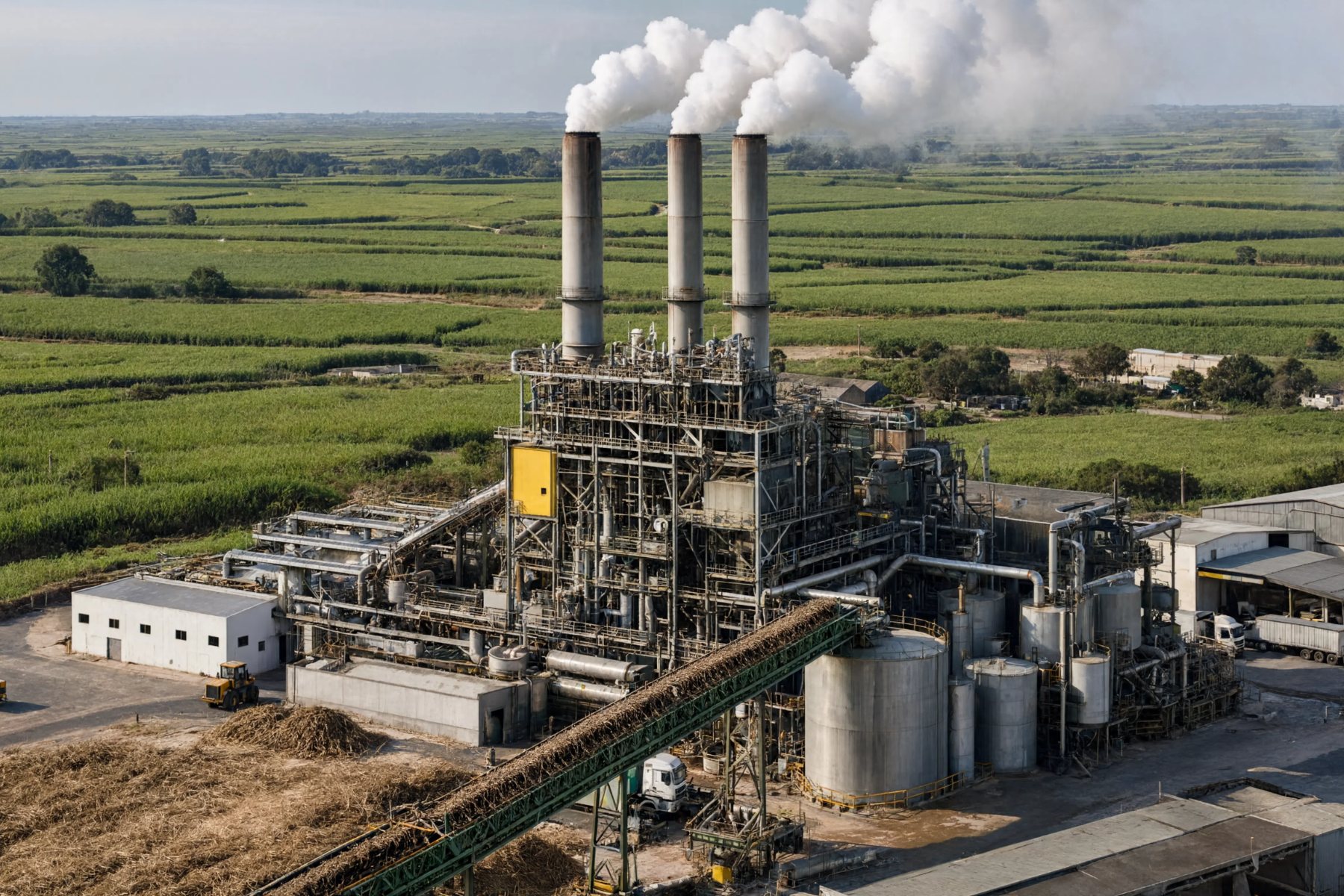
Diesel and gas you no longer burn. Remote sites run on diesel and gas, so every MWh from on-site solar is fuel you do not buy. The 60 MW Chichester solar farm in the Pilbara was forecast to deliver 164,700 MWh a year, a capacity factor of about 31% (ARENA). Battery-electric haul trucks are still at trial stage: BHP, Rio Tinto and Caterpillar launched a trial of two Cat 793 XE battery-electric trucks at Jimblebar in June 2026.
Safeguard compliance costs. Facilities above 100,000 tCO2e a year face baselines that fall by 4.9% a year to 30 June 2030. A facility above its baseline must manage the excess, usually by surrendering Australian Carbon Credit Units or Safeguard Mechanism Credits; one below it can earn credits. A 2026-27 review of the Safeguard Mechanism, whose consultation closed on 18 September 2026, covers the settings after 2030.
Flared and vented gas. The World Bank counts 167 billion cubic metres flared worldwide in 2025, worth about US$54 billion. Field measurements in three US basins found flares destroying 91.1% of methane on average rather than the 98% inventories assume, with flares unlit 3% to 5% of the time (Plant et al., Science, 2022). Every unlit hour is product lost and an emissions figure understated.
Where the new revenue is
- Safeguard Mechanism Credits. A facility that cuts its emissions below its baseline can be issued SMCs, one for each tonne of CO2e below the baseline, and can trade them, including to other responsible emitters, or surrender them for its own compliance. SMCs are not offsets; they are an accounting unit within the Safeguard limit.
- Gas you stop flaring. Captured flare and vent gas can be sold or used as fuel instead of being burned for nothing.
- Recovered heat. Heat recovered from kilns, calciners and compressors replaces purchased energy.
How Carbonova turns this into cash
- CarbonOS: an AI-agent platform that connects SCADA, ERP (SAP, Oracle) and IoT data, keeps an auditable emissions inventory and generates reports for ISSB-based disclosures such as AASB S2, as well as CBAM and CSRD. Energy, carbon and revenue end up in one ledger. Explore the solutions.
- Carbonova Build (early access): AI-first industrial engineering, with process simulation, pinch and heat-exchange analysis, advanced process control and prescriptive maintenance, to find and size the heat and energy a plant is losing. See Build.
- Carbonova Sense (pilot stage): an edge-AI flare monitor that infers combustion state (lit and normal, smoking, degraded, flameout, venting or no flow) from thermal imaging, video and acoustics. Vented methane is calculated from process data during confirmed venting events. Sense is not a methane sensor. See Sense.
How much can a site save with energy management?
Companies that implement ISO 50001 typically improve energy performance by 10% or more within the first 18 months, according to Natural Resources Canada. At nine facilities certified under the US Superior Energy Performance program, energy cost savings averaged US$503,000 a year, with a 1.7-year payback.
Can Safeguard Mechanism Credits be sold?
Yes. The Clean Energy Regulator issues SMCs to responsible emitters that reduce a facility's emissions below its baseline, one per tonne of CO2e. Holders can trade them, including to other responsible emitters, or surrender them to meet their own obligations. The regulator states that SMCs are not offsets.
When does AASB S2 apply?
Group 1 entities report for periods beginning on or after 1 January 2025, Group 2 from 1 July 2026 and Group 3 from 1 July 2027. AASB S2 requires Scope 1, 2 and 3 emissions, and the Scope 3 relief covers only the first reporting period.
Is Carbonova Sense a methane detector?
No. Sense infers a flare's combustion state on the device. For confirmed venting events, vented methane mass is calculated from SCADA flow, duration and gas composition. It does not measure methane in the air and is not a leak detection system.
Want to know how much your site leaves on the table in energy, fuel and carbon? Book a demo. Carbonova, headquartered in São Paulo, Brazil, was selected for the Nasdaq Entrepreneurial Center's Fall 2026 Milestone Makers: CleanTech cohort and for the Qualcomm AI Program for Innovators 2026 in Latin America.
Sources
- BCG (2021): Reduce Carbon and Costs with the Power of AI
- US Department of Energy (2008): Waste Heat Recovery: Technology and Opportunities in U.S. Industry
- Lawrence Berkeley National Laboratory (2014): Superior Energy Performance Program Demonstrates 1.7-Year Payback
- Natural Resources Canada (2016): ISO 50001
- Clean Energy Regulator: Safeguard baselines
- Clean Energy Regulator: Safeguard Mechanism credit units
- DCCEEW: 2026-27 Safeguard Mechanism review
- AASB: AASB S2 frequently asked questions
- ARENA: Chichester solar gas hybrid project performance report
- Rio Tinto (June 2026): Battery-electric haul truck trial in the Pilbara
- World Bank (23 June 2026): Global gas flaring rises
- Plant et al., Science (2022): Inefficient and unlit natural gas flares both emit large quantities of methane
Last reviewed: 18 October 2026