Storm front over an industrial plant at dusk, climate risk management

Risk Management.

Anticipate risks and protect operations with Carbonova’s Risk Index: predictive analysis of climate, operational and compliance risks. Multi-layer indexed scoring, scenario simulation and prioritised mitigation.
[what it is]
Proactive protection against climate and operational risks.
Automated inventory icon
Multi-Layer Indexed Scoring
Calculates aggregate risk combining climate exposure, regulatory pressure, and operational performance into a unified score.

‍
Climate Scenario Simulation
Models extreme climate scenarios and assesses the direct impact on operations, based on the assets mapped in the Asset Graph.
Regulatory compliance icon
Prioritised Mitigation
Detects operational anomalies, suggests actions for each risk and alerts the responsible teams, reducing exposure.
Compliance Alerts
Monitors regulatory changes and issues alerts when new requirements may affect operations.

IFRS S2 requires climate-related scenario analysis, commensurate with a company’s circumstances, to assess strategic resilience. It prescribes no scenarios, but companies must disclose which they used and whether one aligns with the latest international climate agreement.
IFRS Foundation (ISSB)
IFRS S2, paragraph 22 (2023)
Physical + transition
Physical and transition risks assessed per scenario, the two types of climate-related risk covered by IFRS S2.
VaR
Value at risk per scenario, calculated on the actual assets mapped in the Asset Graph.
Right arrow iconRight arrow icon
learn more
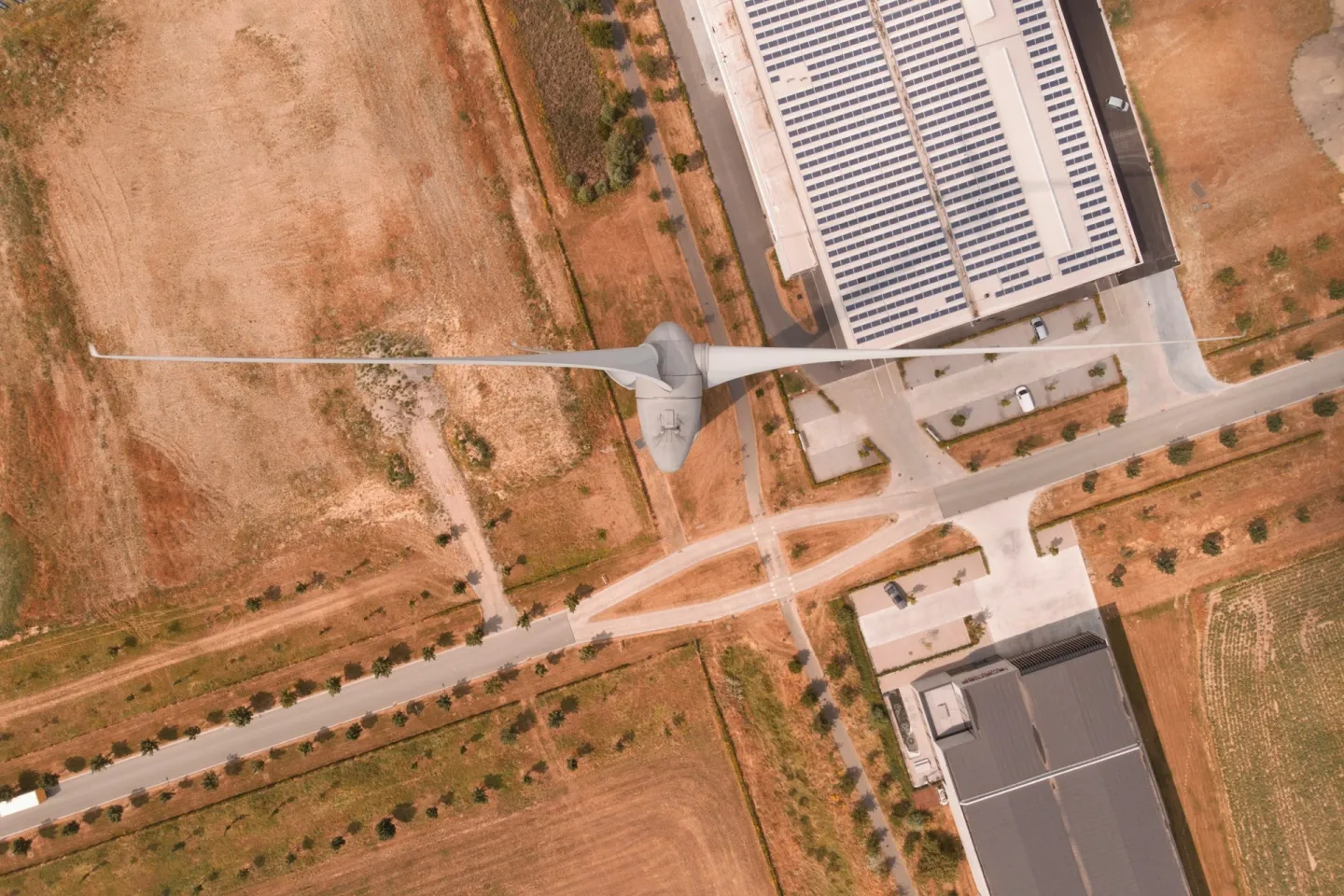
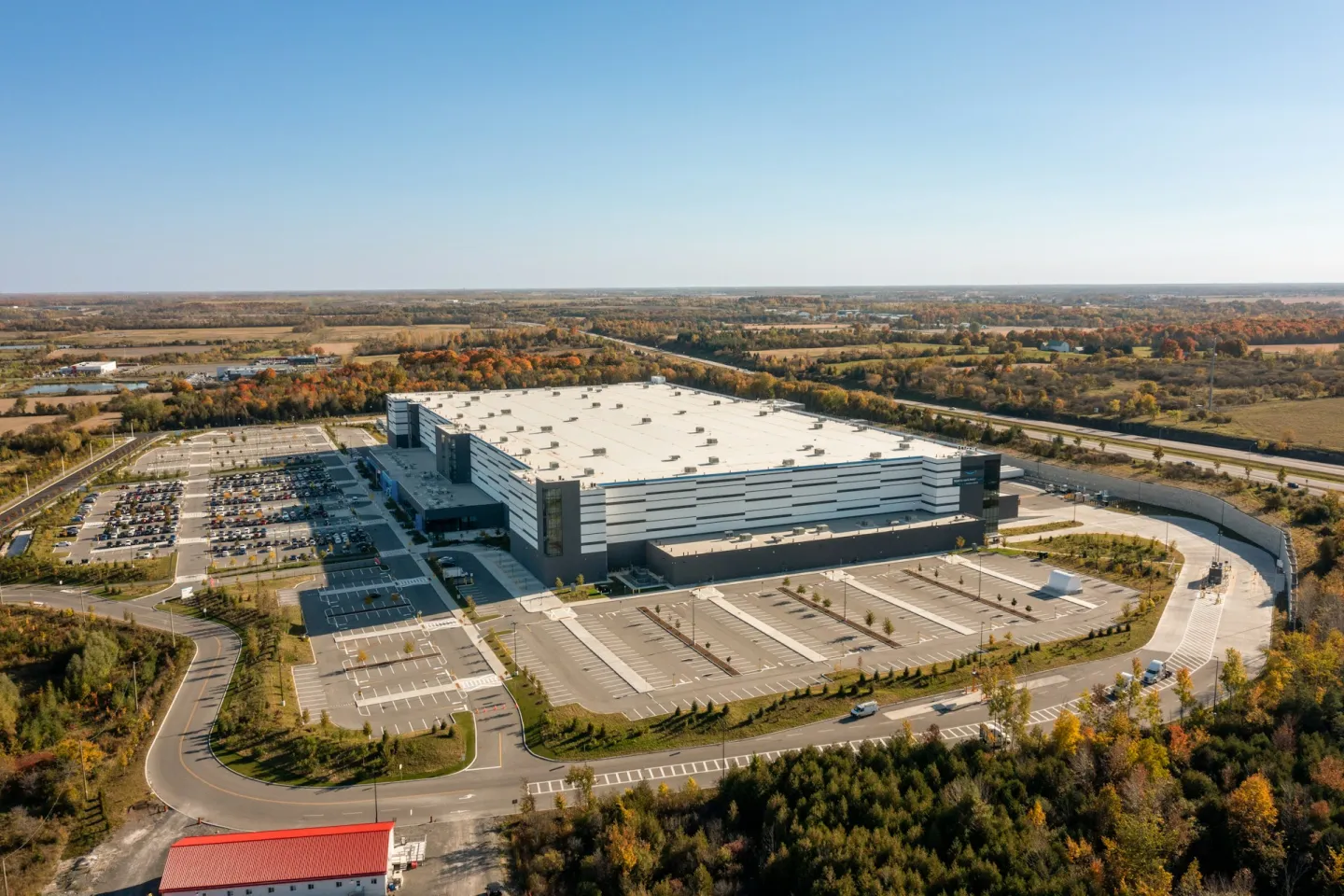
Industrial facility monitored by the CarbonOS carbon management systemSustainable logistics and low-carbon transportationCorporate team in a meeting about climate complianceSustainability specialist analysing carbon emissions data
[OUR PURPOSE]
The platform connects compliance to new markets and financing, building cleaner, more agile and more resilient supply chains.
Right arrow iconRight arrow icon
learn more
[how it works]
Protect Operations with Predictive Intelligence.
Industrial facility monitored by the CarbonOS carbon management system
Industrial operation with Carbonova carbon management
Renewable energy icon
Multi-layer scoring aggregates climate, operational, and regulatory risks into a unified index
Extreme scenario simulation on real assets, projecting direct impacts on operations
Prioritised mitigation: detects anomalies, suggests actions and alerts the responsible teams
Corporate team in a meeting about climate compliance
solar
potential
freight &
logistics
[ON THE PLATFORM]

How it works in CarbonOS

Climate risk stops being a static report: scenarios on real assets, financial impact and prioritised mitigation.

01 · SIMULATE
Climate scenarios on real assets

Physical, operational and regulatory risks projected onto your actual operations, from the Asset Graph.

02 · SCORE
Multi-layer score + financial impact

Each risk gets an indexed score and a value-at-risk (VaR) calculation per scenario.

03 · RECOMMEND
Prioritised, actionable mitigation

Suggested actions for each risk, with regulatory alerts (Safeguard Mechanism, EU CBAM) integrated with Compliance Hub.

app.carbonova.ai · Risk Management
Risks · dashboard (demo)
Climate risk score
7.3/10
Simulation engine
physical + transition scenarios
Regulatory alerts
● 2 · Safeguard Mechanism, EU CBAM
Supplier under review
1
illustrative data from the demo environment
Climate scenariosClimate VaRIndexed scoreCBAMEU ETSTCFD
[Frequently asked questions]

Climate risk management with AI: frequently asked questions

Short answers on scenarios, physical and transition risk, and climate disclosure. To see the risk on your own assets, book a demo.

Right arrow iconRight arrow icon
book a demo

What is Carbonova’s Risk Management?

Up arrow icon

Risk Management is the CarbonOS agent that scores physical, transition and regulatory climate risk for each asset and for the company as a whole. It projects scenarios onto the real operation mapped in the Asset Graph, calculates value at risk per scenario and prioritises mitigation actions. Its output feeds TCFD- and IFRS S2-aligned disclosures and the regulatory alerts in Compliance Hub.

Who is Risk Management for, and which climate risk problems does it solve?

Up arrow icon

It serves CFOs, risk managers and sustainability and compliance teams in sectors such as mining, energy, cement, steel and agribusiness that need to know how much heat, drought, flooding or carbon costs could weigh on earnings. That cost is already concrete: direct carbon pricing covers just over 29% of global emissions (World Bank, 2026). The agent turns that exposure into a score that is comparable across plants and into prioritised actions.

How does Risk Management work, and which data does it use?

Up arrow icon

It starts from the Asset Graph, the digital twin of assets, processes and energy flows, and from the operating data that Signal Ingest brings in from SCADA, ERP systems and meters. On that basis it projects physical, operational and regulatory risks per scenario, gives each risk an indexed score and calculates value at risk. Emissions come from the Carbon Intelligence inventory, with an audit trail back to the source.

Does Risk Management produce climate risk disclosures aligned with IFRS S2 and TCFD?

Up arrow icon

Yes. Its disclosures are aligned with IFRS S2, which fully incorporates the TCFD recommendations (IFRS Foundation, 2023). The standard requires climate-related scenario analysis commensurate with a company’s circumstances and disclosure of the scenarios used, including whether one is aligned with the latest international agreement on climate change, but it does not prescribe specific scenarios. The same outputs serve ISSB-based reporting wherever a jurisdiction adopts it.

How does Risk Management connect with the other CarbonOS agents?

Up arrow icon

Asset Graph supplies each asset’s location and processes, Signal Ingest brings in operating data and Carbon Intelligence provides the emissions. Sentinel AI adds satellite signals, Supply Chain extends the analysis to suppliers and Compliance Hub raises regulatory alerts, such as CBAM and EU ETS changes. Prioritised actions flow into the Decarbonization Planner, and the Investment Agent uses the same risk view in asset due diligence.

How does Risk Management put a financial value on a climate risk?

Up arrow icon

Each risk gets an indexed score and a value at risk per scenario, calculated on the company’s actual assets with explicit, versioned assumptions. For transition risk, the calculation can use public carbon prices as a reference: the CBAM certificate price, for example, was €82.32 per tonne in the third quarter of 2026 (European Commission, 2026). That way the risk shows up as a financial figure, not just a rating.