Industrial SCADA control panel at night with instrumentation and sensors

Signal Ingest.

Connect any data source — from SCADA to legacy spreadsheets — into a consistent, versioned flow. Industrial signal ingestion and normalisation with ultra-low latency and complete traceability.
[signal ingest]
From any data source to a unified, traceable flow.
Automated inventory icon
Multi-Protocol Ingestion
Processes thousands of signals per second, with native connectors for SAP, Oracle and other ERPs, e-invoicing systems, TMS/WMS, SCADA/IoT and energy utilities.

‍
Automatic Normalisation
Automatically normalises and versions all incoming data, ensuring end-to-end traceability and reproducibility.
Regulatory compliance icon
Asset Graph Feed
Directly feeds the Asset Graph and Sentinel AI with clean, standardised data ready for emissions modelling.
Ultra-Low Latency
Millisecond-level processing, ensuring operational changes are instantly reflected in carbon modelling.

The GHG Protocol asks companies to account for all emission sources within the chosen inventory boundary and to use consistent methods over time, so that emissions can be compared meaningfully from year to year.
GHG Protocol (WRI and WBCSD)
Corporate Standard, revised edition (2004)
ms
Processing latency in industrial and environmental signal ingestion.
100%
Of data versioned and traceable, ensuring reproducibility in audits.
Right arrow iconRight arrow icon
learn more
Industrial facility monitored by the CarbonOS carbon management systemSustainable logistics and low-carbon transportationCorporate team in a meeting about climate complianceSustainability specialist analysing carbon emissions data
[our purpose]
Signal Ingest is Carbonova’s data ingestion and normalisation layer. It receives signals from diverse sources — SCADA, ERPs, IoT sensors, energy meters, and legacy data — and transforms them into a unified, consistent, and versioned flow that feeds the entire platform.
Right arrow iconRight arrow icon
learn more
[how it works]
From raw signal to audit-ready data.
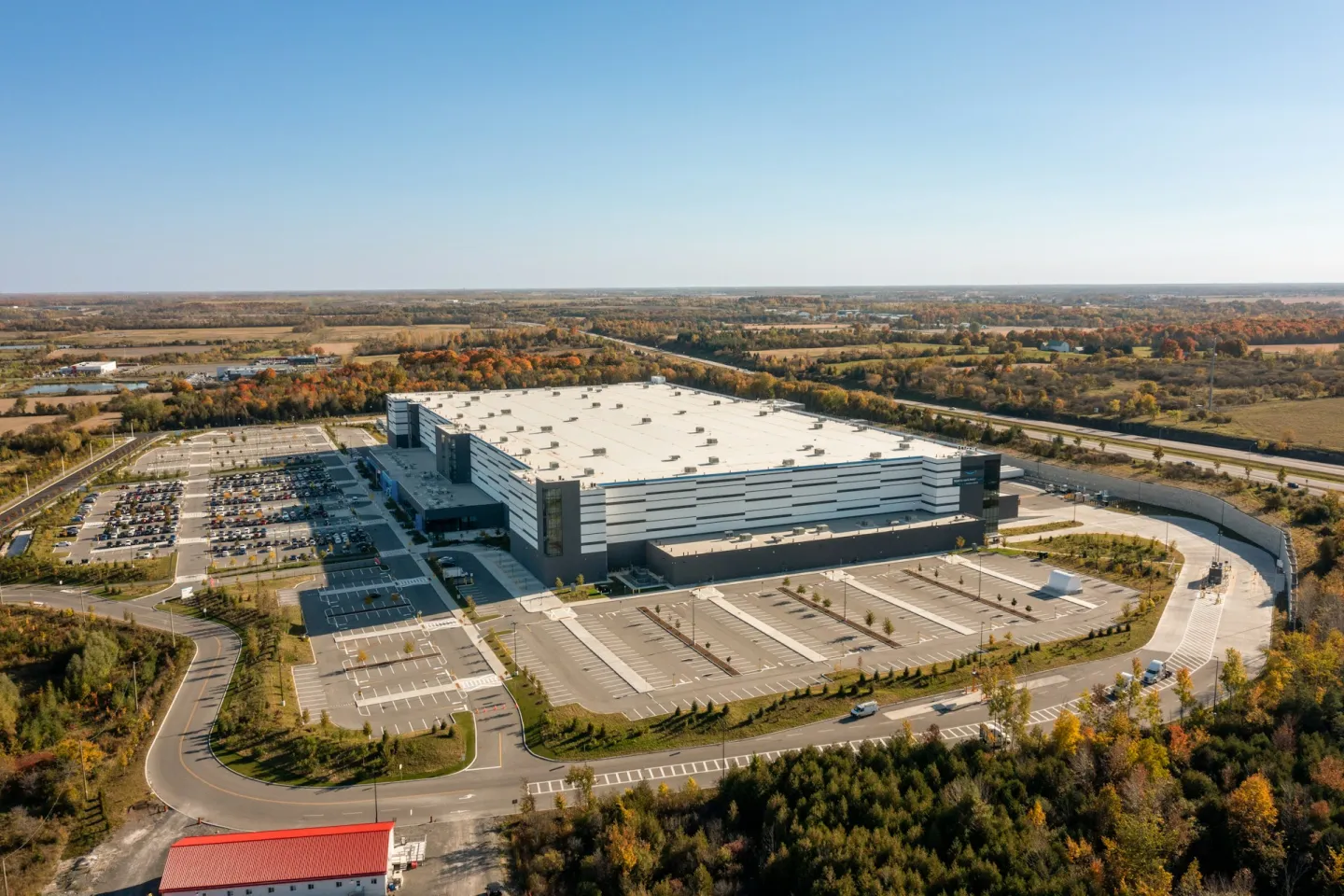
Industrial facility monitored by the CarbonOS carbon management system
Industrial operation with Carbonova carbon management
Renewable energy icon
Native connectors for global and regional systems: SAP, Oracle and other ERPs, e-invoicing, TMS/WMS, SCADA/IoT and energy utilities.
Automatic normalisation and versioning of all incoming data, ensuring traceability and reproducibility for audits.
Direct feed to Asset Graph and Sentinel AI with clean, standardised data for real-time emissions modelling.
Corporate team in a meeting about climate compliance
unified
data
industrial
signals
[ON THE PLATFORM]

How it works in CarbonOS

The layer that speaks the plant’s language: SCADA, ERP, IoT, meters and legacy data become a single normalised, versioned stream.

01 · CONNECT
Native connectors, no middleware

SCADA, historians, SAP, Oracle, TOTVS, Senior, e-invoices, TMS/WMS, IoT and meters, starting from the data the plant already has.

02 · NORMALISE
Units, tags and timestamps in one standard

Heterogeneous signals are standardised and versioned — every reading stamped with its source and time.

03 · DELIVER
One auditable stream for all of CarbonOS

Feeds inventory, risk and planning from the same source, with high data quality built in.

app.carbonova.ai · Signal Ingest
Integrations · live stream (demo)
Connected sources
6 · SCADA, ERP, IoT, e-invoices, Historian, Meters
Throughput
8.4k signals/s
Normalisation
● versioned
Deployment
from existing data
illustrative data from the demo environment
SCADASAPTMS/WMSOracleMetersE-invoicesHistorianIoT
[Frequently asked questions]

Industrial data ingestion: frequently asked questions

Straight answers about Signal Ingest, the CarbonOS layer that connects and normalises plant data. To see it with your own systems, book a demo.

Right arrow iconRight arrow icon
book a demo

What is Signal Ingest from Carbonova?

Up arrow icon

Signal Ingest is the data ingestion and normalisation layer of CarbonOS. It receives signals from SCADA, historians, ERPs, IoT sensors, energy meters, e-invoices, transport and warehouse systems and legacy spreadsheets, standardises units, tags and timestamps and versions every reading, producing one stream that feeds every agent on the platform.

What problem does Signal Ingest solve, and for whom?

Up arrow icon

It solves scattered data: in many plants, energy, fuel, production and purchasing data sit in different systems, each with its own units, codes and frequencies, and the inventory depends on exporting and pasting spreadsheets. It serves IT and automation, process engineering, energy and sustainability teams that need reliable data without building integrations one by one.

How does Signal Ingest connect to plant systems, and what does it do with the data?

Up arrow icon

It uses connectors for SCADA and historians, ERPs such as TOTVS, Senior, SAP and Oracle, e-invoicing systems, TMS/WMS, IoT, meters and energy utilities, as well as legacy files. Each reading is stamped with its source and time, converted to standard units and tags and given a version, so any later calculation can be reproduced.

Which data quality standards does Signal Ingest help meet?

Up arrow icon

Signal Ingest supports the five principles the GHG Protocol sets for inventories: relevance, completeness, consistency, transparency and accuracy (WRI and WBCSD, 2004). Because every reading is versioned and traceable to its source, a verifier can rerun the calculations, which helps verification under ISO 14064-3, and every report starts from the same data.

How does Signal Ingest feed the other CarbonOS agents?

Up arrow icon

It is the platform’s front door. It delivers clean data to Asset Graph, which links it to assets and energy flows; to Sentinel AI, which monitors for anomalies; to Carbon Intelligence, which calculates the inventory; and to Proof Engine, which keeps the lineage. Risk Management and Decarbonization Planner use the same source, which avoids different numbers for the same plant.

Do I need to replace systems or install new sensors to use Signal Ingest?

Up arrow icon

No. Implementation starts from the data the plant already has: SCADA, historians, ERP, invoices, meters and even legacy spreadsheets. Signal Ingest connects to those systems without replacing them. In a guided 30-minute demo, a specialist looks at the sources you have and gives an initial diagnosis; timelines and scope depend on each operation.