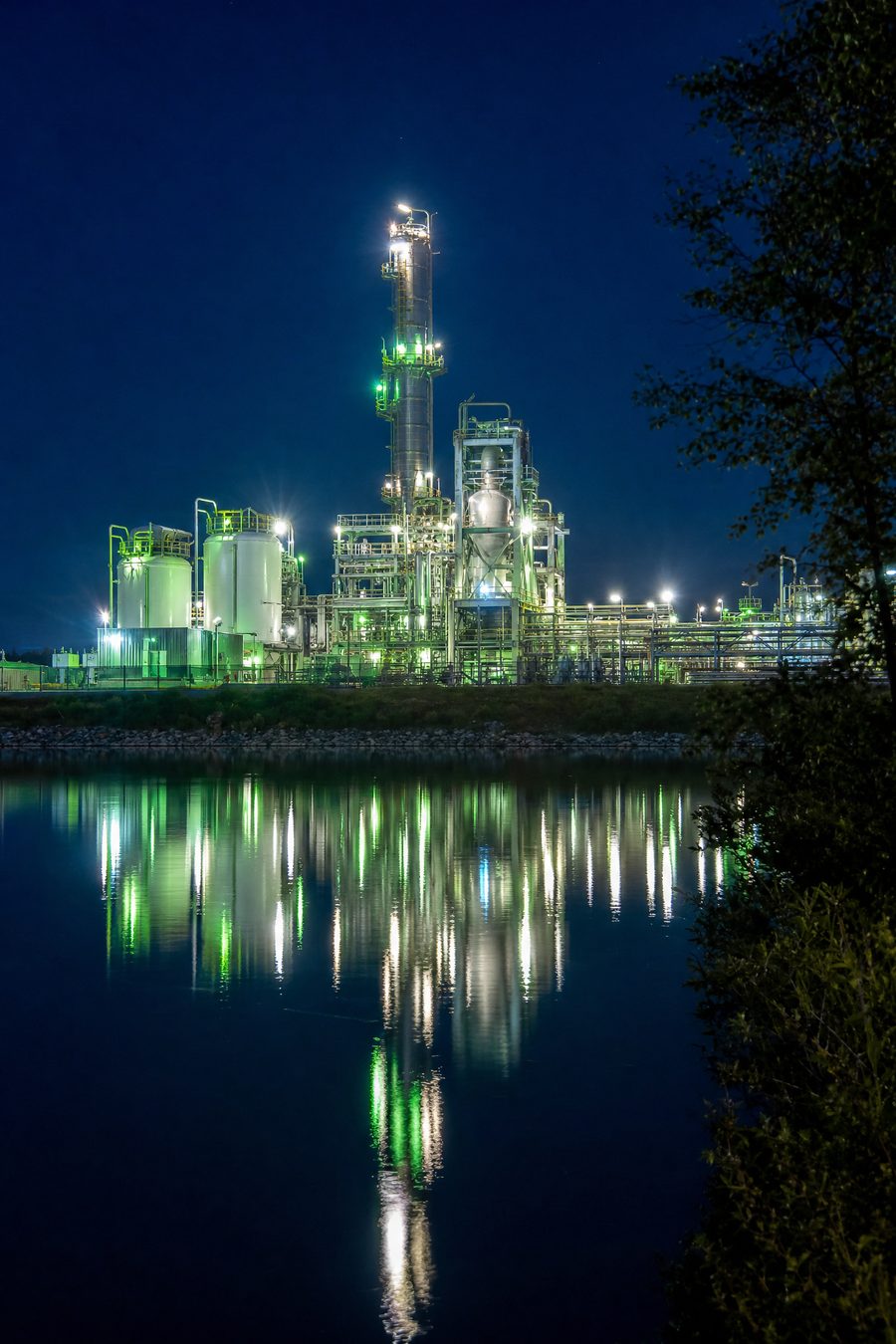
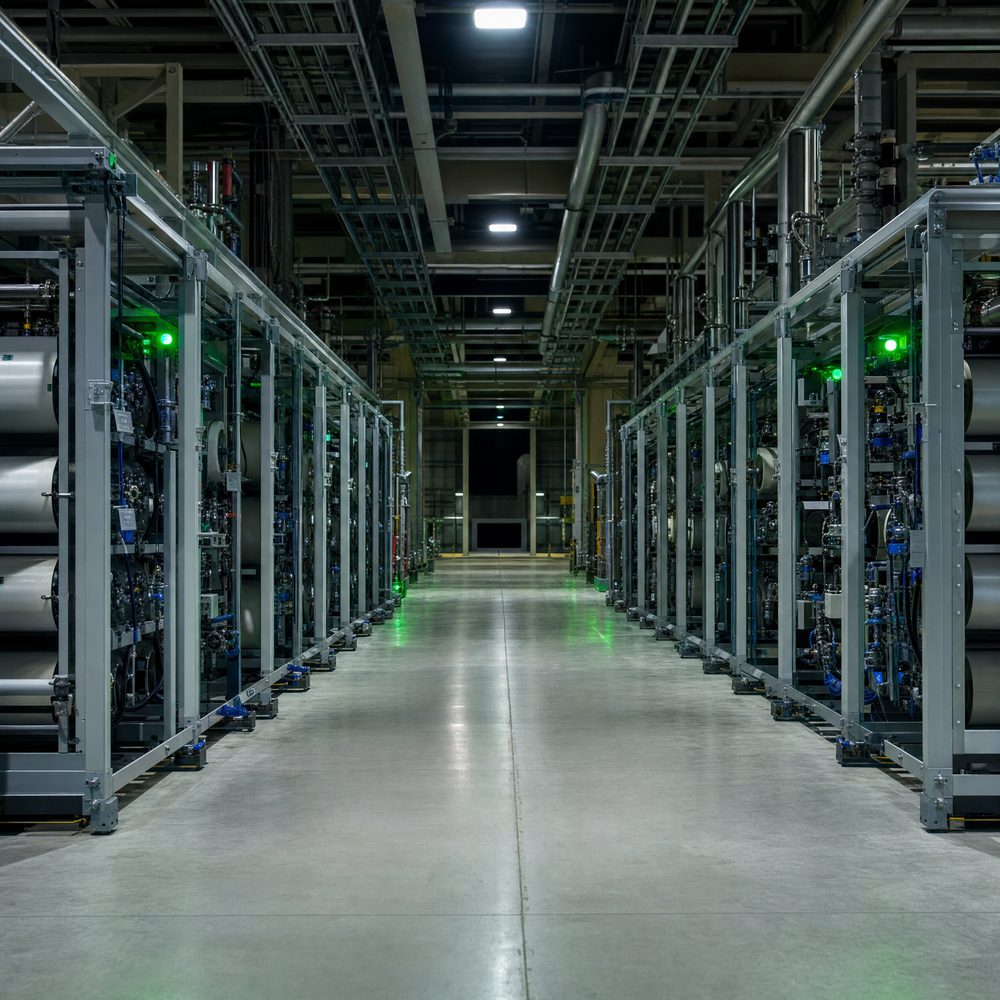


Six agents read the plant and the power market and return decisions and evidence, not reports.
Reads the DCS, historian and meters, plus wind, solar and price forecasts, and closes the balance from electron to molecule.
Agents adjust load, buffer and synthesis for the lowest kWh per kilogram, within certification rules and the plant’s limits.
Every batch leaves with its carbon intensity calculated and the audit trail ready for the verifier and the buyer.
Short answers on power costs, operations and certification in green hydrogen and e-fuel plants. To see it with your project data, book a demo.
It is a set of CarbonOS AI agents for green hydrogen and e-fuel plants, such as e-methanol, e-ammonia and e-SAF. The agents schedule electrolyzer load hour by hour, track stack health, adjust synthesis when hydrogen supply varies and calculate each batch’s footprint as evidence for certification. The system runs above the plant’s control system, with any electrolyzer and any licensor.
In e-fuels, electricity is the largest cost in every molecule, so every kWh per kilogram decides the margin. The solution is for developers and operators of electrolysis and synthesis plants: plant managers, process engineers, power traders and the people in charge of certification. Before FID it simulates the project hour by hour; in operation it targets the lowest kWh per kilogram and keeps each batch’s evidence ready for the verifier and the buyer.
It reads the plant’s DCS, historian and meters, plus wind, solar and power-price forecasts, and closes the balance from electron to molecule. The agents then adjust load, hydrogen buffer and synthesis for the lowest kWh per kilogram, within the plant’s limits, the synthesis minimum load and the temporal-matching rules of certification. Every batch leaves with its carbon intensity calculated from measured data and an audit trail.
The Section 45V credit applies only to facilities that begin construction before January 1, 2028, and only to hydrogen with lifecycle emissions of no more than 4 kg CO₂e per kilogram; the lower the emissions, the higher the credit tier (IRS, 2025). Hydrogen exported to the European Union counts as renewable there only if it meets the EU’s RFNBO rules. e-Fuels Intelligence calculates each batch’s lifecycle footprint from measured data and builds the evidence package for the verifier.
It runs on the same data as the rest of CarbonOS. Signal Ingest brings in DCS, historian and meter data; Asset Graph models electrolyzers, synthesis and energy flows; Proof Engine keeps the lineage and versioned factors behind each batch; and Compliance Hub prepares the data for reports such as CBAM, because hydrogen and ammonia sold into the European Union are CBAM goods and the importer needs the producer’s emissions data. During project design, Build’s process simulation helps size the plant.
No. Certification bodies accredited under each scheme do that. The role of e-Fuels Intelligence is to produce the evidence they review: each batch’s footprint calculated from measured data, the match between renewable power and production, the change history and the lineage back to the meter. That makes the audit easier, but the decision always rests with the certifier, and Carbonova never issues certificates itself.