[CEMENT INDUSTRY]

Produce low-carbon cement with precise monitoring. Optimize with CarbonOS.
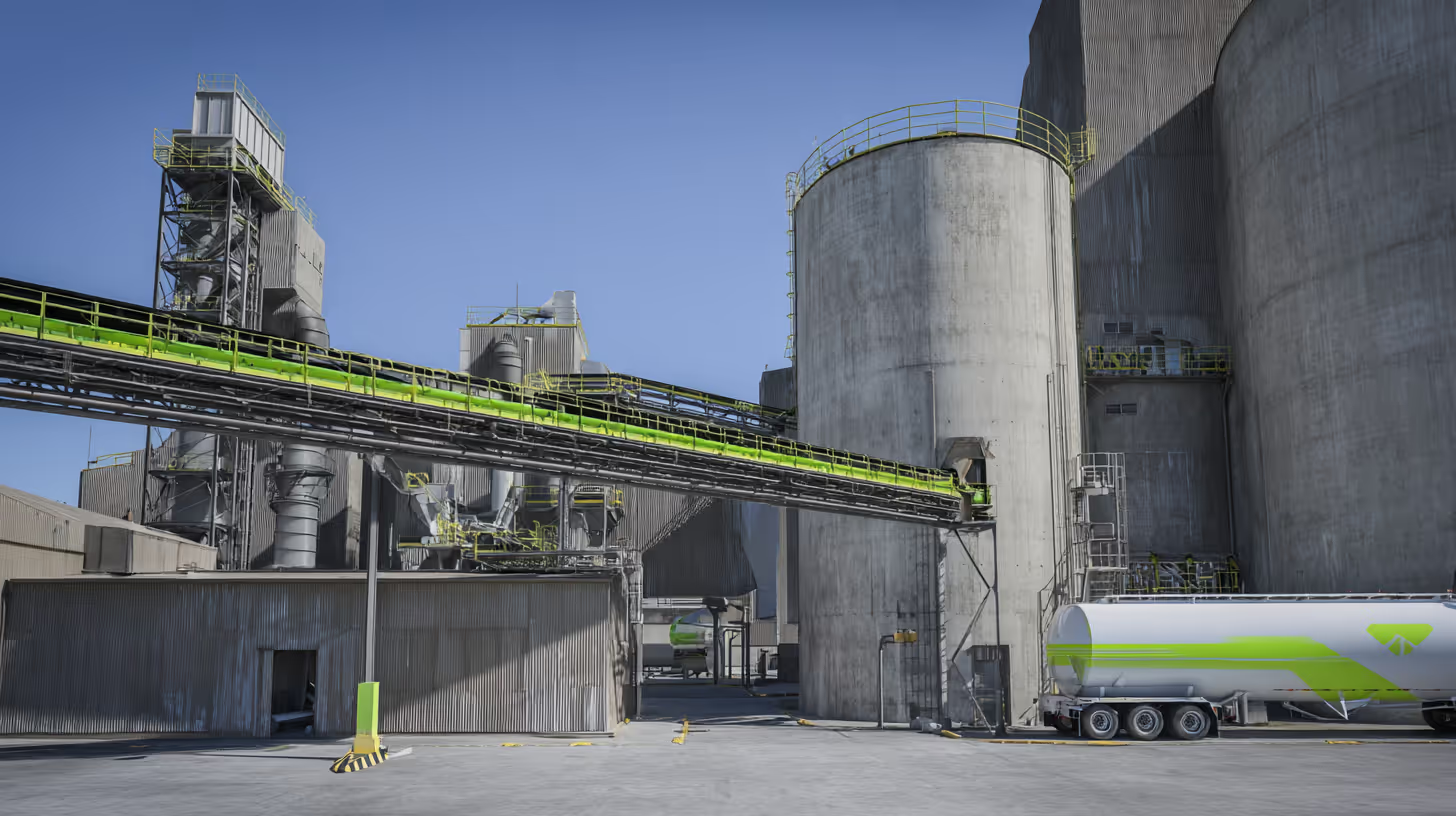
With CarbonOS, Carbonova delivers the data intelligence your cement plant needs to reduce emissions, optimize energy consumption, and stand out in an increasingly competitive and regulated market.
our expertise
our expertise
PROGRAMS &
TECHNOLOGY PARTNERS
15
specialized AI agents — from an auditable GHG inventory to a clinker decarbonization pathway, in a single pipeline.
[APPLIED EFFICIENCY]
CarbonOS: AI-native infrastructure for cement industry decarbonization.
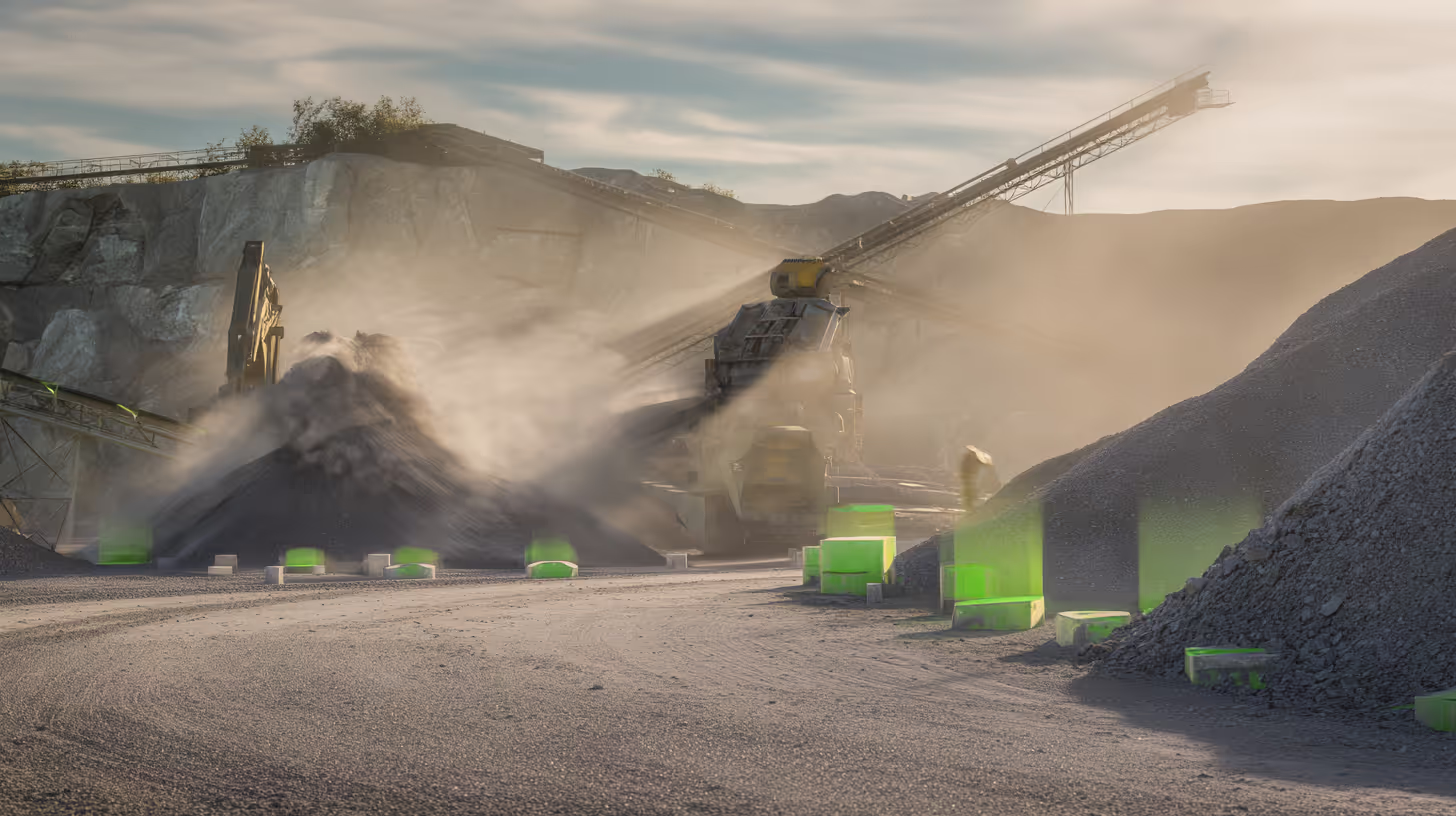
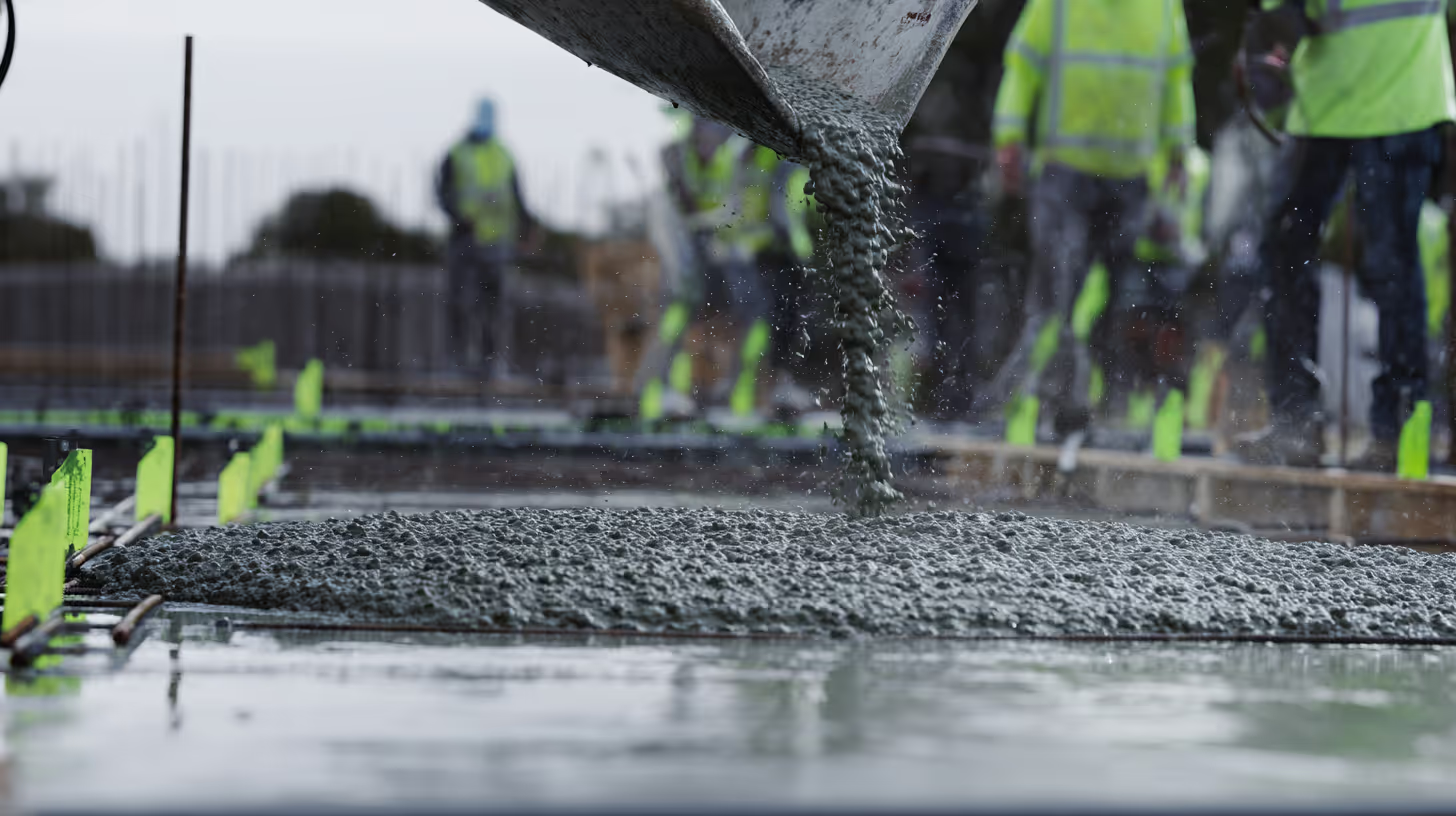
CarbonOS monitors emissions in real time across every process in your cement plant, from quarrying raw materials to cement grinding. The platform delivers insights for switching to cleaner energy sources, optimizing processes, and generating compliance reports.
Right arrow iconRight arrow icon
our process
Process Efficiency
Energy Source Management
Compliance and Reporting
Sustainable Value Chain
[our purpose]
Accelerating the cement industry’s transition to a low-carbon future with technology, data, and market intelligence.
Right arrow iconRight arrow icon
our partners
[OUR SOLUTIONS]
Customized solutions for cement industry emissions challenges.
Our specialists work with your team to implement CarbonOS, adapting the platform to your operation’s specific needs. From production data analysis to integration with existing systems, we offer a complete solution for emissions management.
Kiln Optimization
Alternative Fuels
Supplementary Cementitious Materials
Sustainability Reports
Life Cycle Assessment
Automated inventory icon
Regulatory Compliance
low-carbon
cement
carbonova systems
regulatory compliance
Companies and partners that trust Carbonova
[Frequently asked questions]

Low-carbon cement with AI: frequently asked questions

Short answers on cost, emissions and carbon rules in a cement plant. To see them worked out with your own plant data, book a demo.

Right arrow iconRight arrow icon
book a demo

How does Carbonova help a cement plant cut costs and emissions?

Up arrow icon

Carbonova connects kiln, mill and energy data to CarbonOS, a platform of AI agents that calculates emissions per tonne of clinker and cement, flags drift in thermal and electrical energy use, and compares alternative-fuel and clinker-factor scenarios by their effect on cost and CO₂. The same dataset produces carbon reports for regulators, customers and investors, with an audit trail back to the source.

Where do a cement plant’s emissions come from?

Up arrow icon

About 60% come from calcining limestone to make clinker, which releases the CO₂ held in the raw material, and most of the rest comes from burning fuel in the kiln (World Economic Forum, 2023). That is why the two biggest levers are the clinker factor, 72% on global average according to the same source, and the kiln’s fuel mix.

Which carbon rules apply to US cement plants?

Up arrow icon

Cement plants report under EPA’s Greenhouse Gas Reporting Program; EPA moved the deadline for reporting-year 2025 data to March 10, 2027, and its proposal to drop most source categories is not final. Companies with more than $1 billion in revenue that do business in California file Scope 1 and 2 reports under SB 253 from November 10, 2026, with penalties of up to $500,000 a year.

Can carbon capture pay off for a US cement plant?

Up arrow icon

The 45Q tax credit pays up to $85 per tonne of CO₂ placed in secure geologic storage when prevailing-wage and apprenticeship rules are met, and construction must begin before January 1, 2033. Carbonova’s planning agent compares capture with fuel switching and clinker reduction on your plant’s real data and ranks the options by cost per tonne of CO₂ avoided.

How does Carbonova help use more alternative fuel and less clinker?

Up arrow icon

Using your plant’s real data, the planning agent simulates the cost and CO₂ effect of replacing fossil fuel with waste-derived fuel or biomass and of replacing part of the clinker with materials such as slag, pozzolans or limestone, then ranks the options by cost per tonne of CO₂ avoided. As a benchmark, waste-derived fuels already supply 52% of the heat in French cement kilns (France Ciment, 2023).

Will the emissions numbers stand up to an audit?

Up arrow icon

Yes. Every value has lineage back to its source data, a versioned emission factor and a change history, in line with the ISO 14064-3 verification standard. The same dataset serves regulatory reporting, ISSB-aligned disclosures, the emissions data EU importers need for CBAM and customer requests for product carbon footprints.

[our blog]
Cement: News and Analysis.
Follow the latest trends in decarbonization technologies, regulations, and innovations for the cement industry. Our blog delivers in-depth analysis to help your company stay ahead on the path to sustainability.
Solar farm in the Mojave Desert at sunrise, with Joshua trees in the foreground
Regulation
02 Nov 26
SB 253: First Emissions Reports Due November 10
Right arrow iconRight arrow icon
Integrated crop, livestock and forestry area in Mato Grosso do Sul, Brazil
Regulation
01 Nov 26
Argentina's Carbon Market Law: What Changes
Right arrow iconRight arrow icon
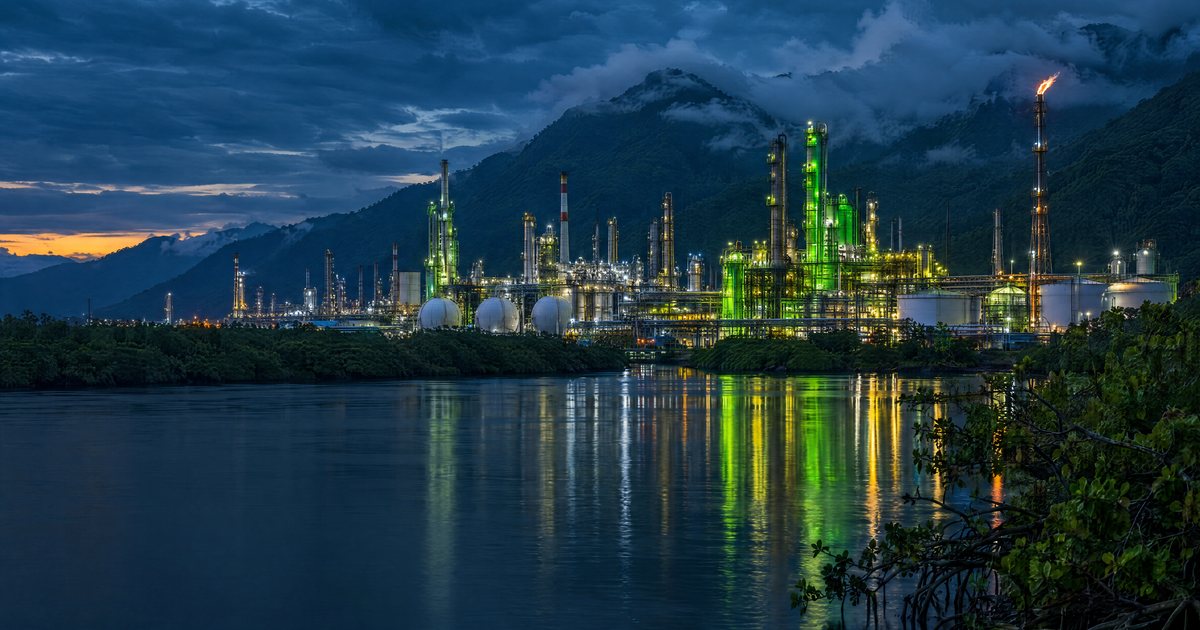
Industrial complex with a refinery at dusk below the Serra do Mar in Cubatão, São Paulo state, Brazil
Regulation
01 Nov 26
Brazil Carbon Market: SBCE Sectors From 2027
Right arrow iconRight arrow icon