[INDUSTRIES WE SERVE]

Full emissions control, from pit to processing plant.
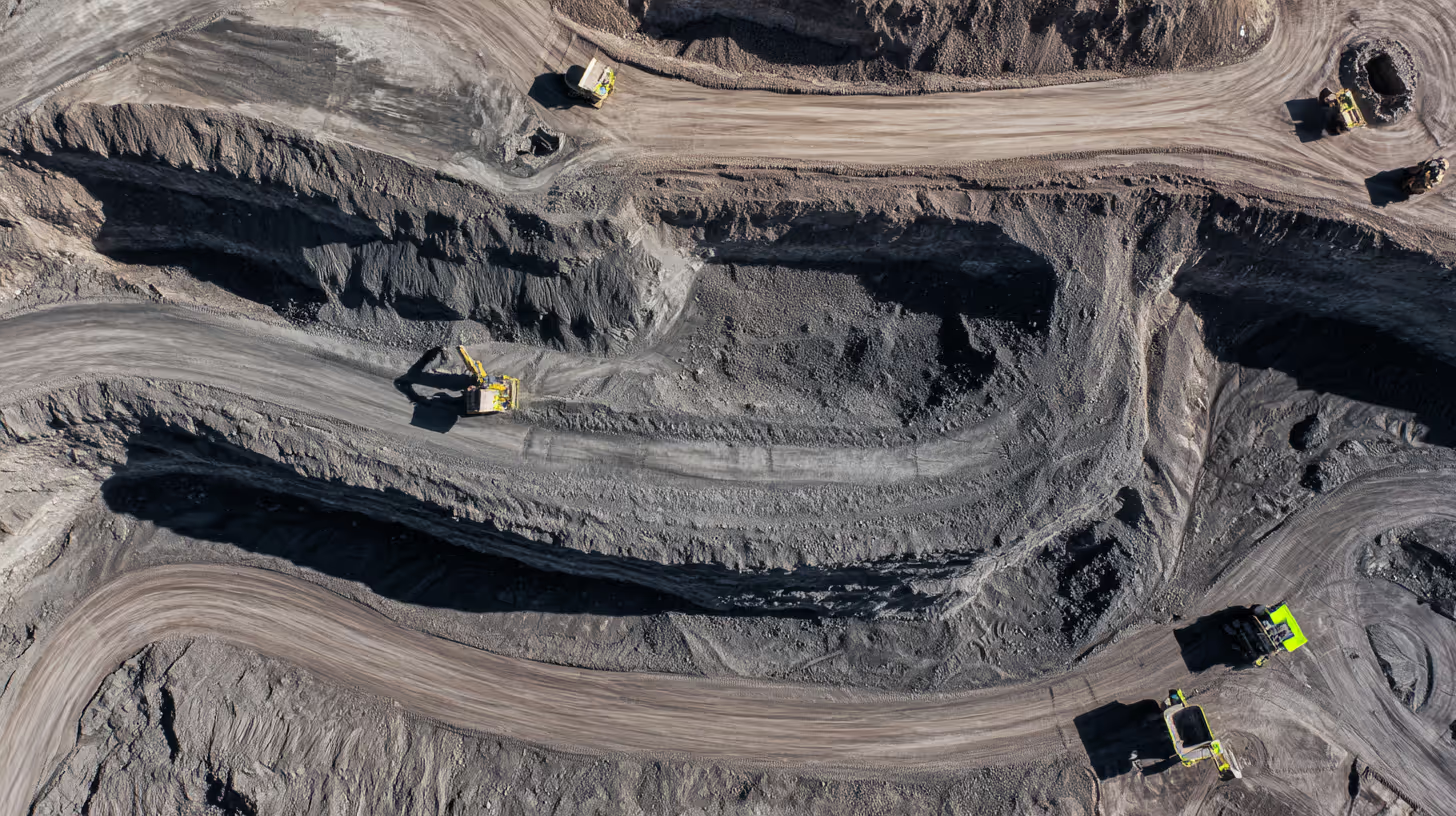
Mining is one of the most carbon-intensive industries, with emission sources distributed across vast and remote operations. CarbonOS connects directly to your SCADA systems, heavy fleet telemetry, and energy meters, normalizing field data in real time.
our expertise
our expertise
PROGRAMS &
TECHNOLOGY PARTNERS
Optimize heavy-fleet fuel use (ICMM reference)
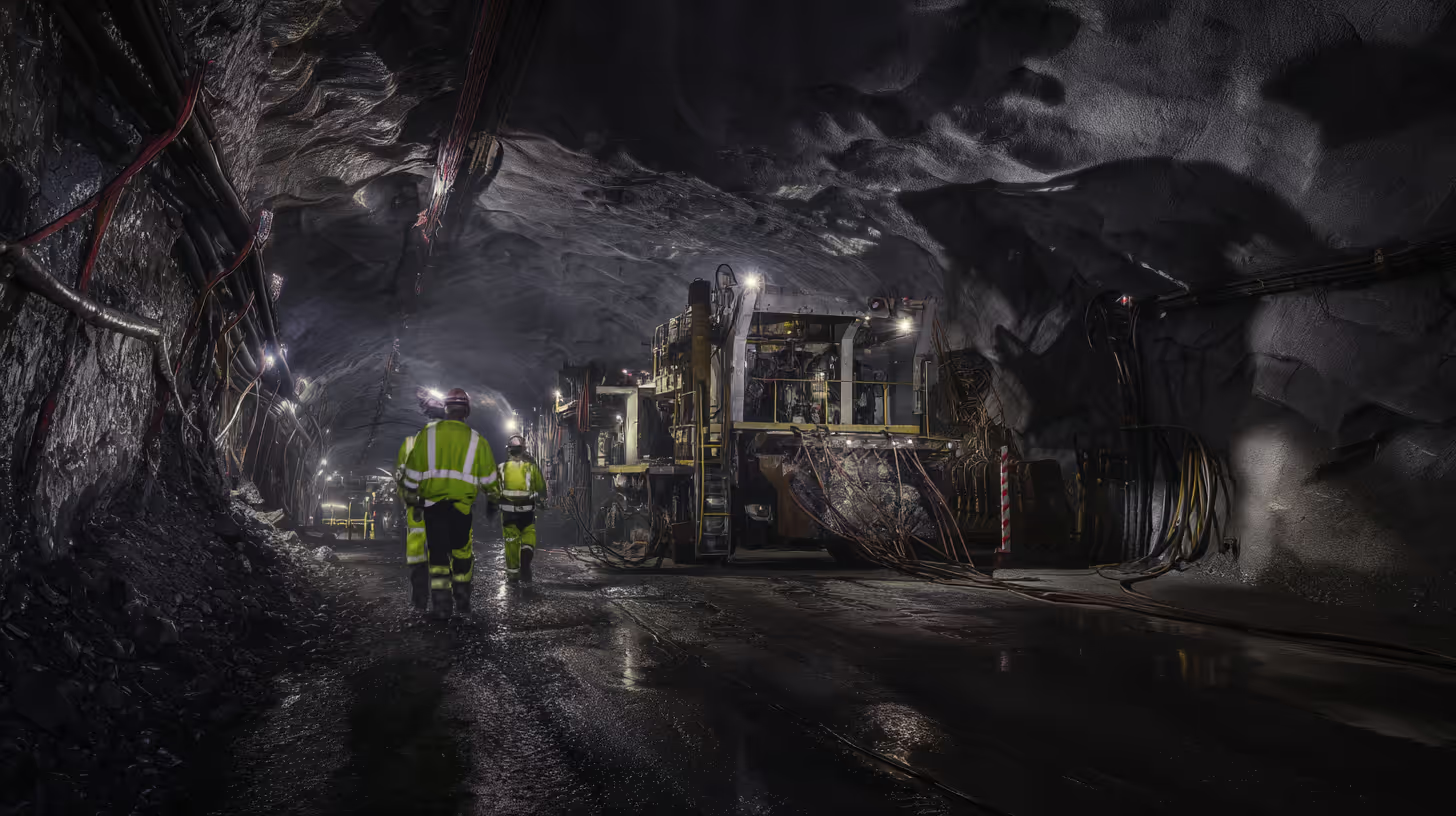
By optimizing routes and processes, CarbonOS cuts costs and reduces your fleet’s carbon footprint.
[CARBON INTELLIGENCE]
Automated GHG inventory by scope, with a monthly close and a complete audit trail.
Carbon Intelligence automates the monthly GHG inventory close: Scope 1 (diesel in excavators, haul trucks, and generators, ANFO explosives, fugitive methane), Scope 2 (grid electricity), and Scope 3 (ore transport, purchased inputs, and business travel). Proof Engine produces a complete audit trail with data lineage and ERP reconciliation.
Right arrow iconRight arrow icon
our process
Signal Ingest & SCADA
Asset Graph & Digital Twin
Compliance Hub & CBAM
Trading Desk & Credits
[SENTINEL AI]
Sentinel AI continuously monitors fuel and energy consumption and flags anomalies such as sudden jumps in fleet idle time or unusual load-factor swings.
Right arrow iconRight arrow icon
our partners
[COMPLIANCE & DECARBONIZATION]
Automated compliance and decarbonization with an actionable roadmap.
Compliance Hub automates reporting for CBAM (exports to the EU), ISSB (IFRS S1/S2), CDP, GRI, and TCFD, including the double materiality assessment required by CSRD. Decarbonization Planner models fleet electrification, renewable supply, and SBTi alignment scenarios. Trading Desk lets you offset residual emissions with VCU (Verra), Gold Standard, and I-REC credits.
Heavy Fleet & Diesel
Fugitive Emissions
Grid Electricity
CBAM & ISSB
SBTi & Net Zero
Automated inventory icon
CDP & TCFD
emissions
management
carbonova systems
environmental compliance
Companies and partners that trust Carbonova
[Frequently asked questions]

Low-carbon mining with AI: frequently asked questions

Short answers on diesel, power, costs and carbon rules in mining. To see them worked out with your own mine data, book a demo.

Right arrow iconRight arrow icon
book a demo

How does Carbonova help a mining operation cut costs and emissions?

Up arrow icon

Carbonova connects fleet, fuel-dispensing, energy-meter and processing-plant SCADA data to CarbonOS, a platform of AI agents that closes the Scope 1, 2 and 3 inventory, flags anomalies such as rising haul-truck idle time and ranks measures by cost per tonne of CO₂ avoided. The same dataset produces carbon reports for regulators, customers and investors, with an audit trail back to the source.

Where do a mine’s emissions and energy costs come from?

Up arrow icon

The two largest sources are usually diesel burned by haul trucks, loaders and generators and the electricity used for crushing and grinding, followed by explosives and, at some mines, methane. In a US Department of Energy reference study, grinding accounted for about 40% of the energy used in US mining and materials handling for 17% (DOE, 2007).

Which carbon rules apply to US mining companies?

Up arrow icon

There is no federal carbon price. Underground coal mines, and other mine sites above EPA’s emission thresholds, report under EPA’s Greenhouse Gas Reporting Program; EPA moved the deadline for reporting-year 2025 data to March 10, 2027, and a proposal to drop most source categories is not final. Mining companies with more than $1 billion in revenue that do business in California file Scope 1 and 2 reports under SB 253 from November 10, 2026, with penalties of up to $500,000 a year.

Are there US tax credits for producing critical minerals?

Up arrow icon

Yes. The Section 45X credit pays 10% of the production costs of qualifying critical minerals; under Public Law 119-21 it phases down from 2031 and ends in 2034 (Congressional Research Service, 2026). It rewards output rather than lower emissions, so the main savings from decarbonization still come from diesel and power. Carbonova’s planning agent ranks those measures by cost per tonne of CO₂ avoided, using the mine’s real data.

How does Carbonova help cut haul-fleet diesel use?

Up arrow icon

Sentinel AI tracks fuel burn, idle time and load factor for each truck and flags drift, while the planning agent compares measures such as idle reduction, payload management, partial electrification and renewable power by cost per tonne of CO₂ avoided. Battery-electric haul trucks are still in field trials, so full fleet electrification is modeled as a long-term scenario rather than a baseline assumption.

How does Carbonova integrate mine data and keep it audit-ready?

Up arrow icon

Signal Ingest connects SCADA, ERP systems such as SAP or Oracle, energy meters, fleet IoT sensors and fuel and explosives purchase records, then normalizes and versions the data. Proof Engine keeps each number’s lineage back to its source, with versioned emission factors and a change history, in line with the ISO 14064-3 verification standard, which makes third-party verification of the inventory easier.

[our blog]
Mining: News and Analysis.
Stay up to date with the latest innovations, technologies, and regulations for emissions management in mining. Our blog offers detailed analysis to help your company lead the transition to more sustainable mining.
Solar farm in the Mojave Desert at sunrise, with Joshua trees in the foreground
Regulation
02 Nov 26
SB 253: First Emissions Reports Due November 10
Right arrow iconRight arrow icon
Integrated crop, livestock and forestry area in Mato Grosso do Sul, Brazil
Regulation
01 Nov 26
Argentina's Carbon Market Law: What Changes
Right arrow iconRight arrow icon
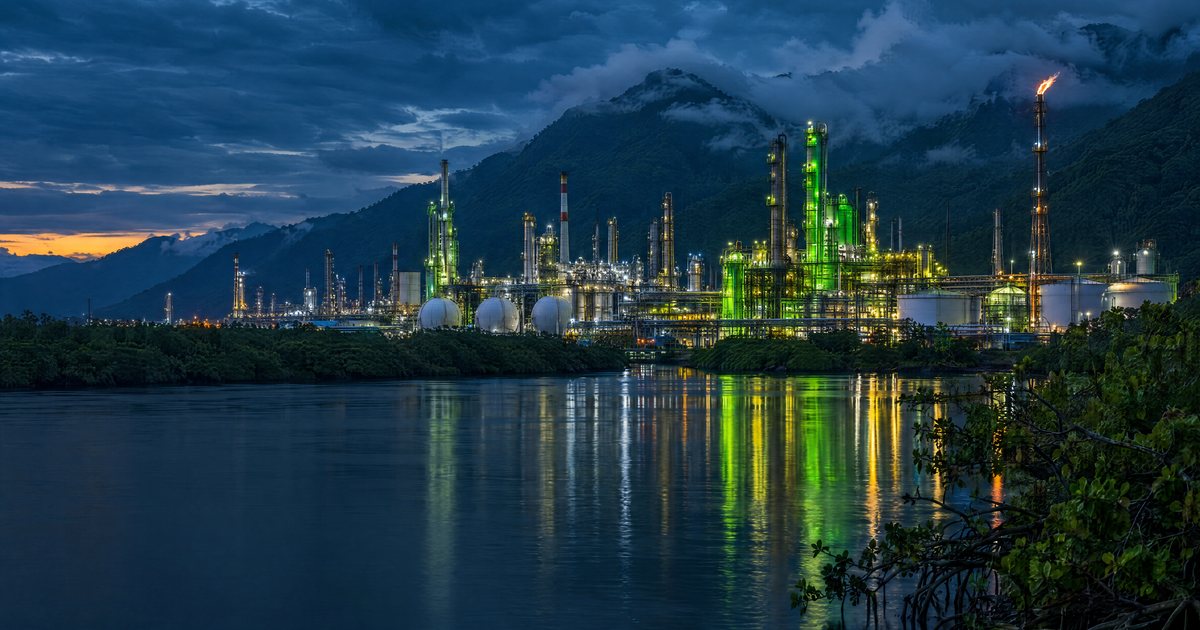
Industrial complex with a refinery at dusk below the Serra do Mar in Cubatão, São Paulo state, Brazil
Regulation
01 Nov 26
Brazil Carbon Market: SBCE Sectors From 2027
Right arrow iconRight arrow icon