.avif)

Flare Monitoring in Oil and Gas: Methane, Margin and OOOOb

A flare that is unlit or burning poorly sends natural gas, mostly methane, straight into the air: product you could have sold, a safety exposure and an emissions figure your inventory probably understates. Airborne measurements across the Permian, Eagle Ford and Bakken found that flares effectively destroyed 91.1% of methane on average, not the 98% usually assumed, which means about five times more methane than inventories expect. Continuous combustion-state monitoring closes that gap by showing operators, as it happens, when a flare is out, smoking or venting.
What the field data show
The study, led by the University of Michigan and published in Science in September 2022, combined airborne sampling with surveys of unlit flares in three basins that account for more than 80% of US flaring. Unlit flares and inefficient combustion contributed about equally to the shortfall, and flares were found unlit roughly 3% to 5% of the time. The authors estimated that methane from flares makes up 4% to 10% of total US oil and gas methane emissions. The lesson: 98% is an assumption, not a measurement.
What the rules say as of September 2026
- EPA OOOOb and OOOOc. Routine flaring of associated gas at new oil wells was phased out from May 7, 2026, although EPA says existing flexibilities still allow temporary flaring in situations outside the operator's control, and a rule effective June 8, 2026 extended the baseline for temporary flaring from 24 to 72 hours. Under deadline extensions finalized in December 2025, flares and enclosed combustion devices must run with a continuous pilot flame and alert the nearest control room when the pilot is unlit by January 22, 2027, the same date set for OOOOc state plans and the Super Emitter Program. EPA has signaled a broader review, so check the status before planning around these dates.
- Federal reporting. In September 2025 EPA proposed ending Greenhouse Gas Reporting Program obligations for most source categories and suspending most Subpart W oil and gas reporting until 2034. It was not final as of September 2026, and reports for 2025 are due October 30, 2026. Congress has delayed the Waste Emissions Charge on methane to 2034.
- New Mexico. The state's waste rule requires operators to capture 98% of their natural gas by December 31, 2026 and bans routine venting and flaring outside emergencies and malfunctions.
- California SB 253. Companies formed in the US with more than $1 billion in revenue that do business in California must file first Scope 1 and 2 reports by November 10, 2026, with no assurance required for that filing. Scope 3 follows from 2027.
- European buyers. From January 1, 2027, EU importers must show that oil and gas bought under contracts concluded or renewed on or after August 4, 2024 was produced under monitoring, reporting and verification equivalent to EU rules or OGMP 2.0 Level 5. Methane-intensity reporting starts August 5, 2028, with maximum values from 2030. A non-binding Commission recommendation of July 20, 2026 asks member states not to penalize importers for obligations due in 2027 to 2029, but the obligations stand.
Who should pay attention
Upstream operators flaring associated gas, gathering and processing companies, refiners, and LNG and crude exporters whose European customers need MRV evidence. SB 253 filers need defensible Scope 1 numbers, and flaring can be one of the harder lines to support. Whatever happens to federal rules, flared and vented gas is lost revenue.
Steps to take before January 2027
- Inventory every flare and combustor: type, assist method, pilot and ignition system, and whether it falls under OOOOb (new, modified or reconstructed sources) or your state's OOOOc plan.
- Measure today's performance. Use 12 months of pilot alarms, flow data and inspection logs to estimate the hours each flare was unlit, smoking or venting.
- Put a dollar figure on it. Multiply flared and vented volumes by your realized gas price, then isolate the hours with poor or no combustion, which carry the methane.
- Close the pilot and alarm gap before January 22, 2027, and test each alarm path end to end.
- Write a response playbook: who is alerted, how fast they respond, and how each event is recorded and closed.
- Keep one evidence trail for your Scope 1 inventory, SB 253 filing, buyer questionnaires and OGMP 2.0 reporting, so the figures match for every audience.
Common mistakes
- Booking 98% destruction by default. If a flare was out or smoking, the inventory should show it.
- Equating a lit pilot with good combustion. A pilot shows that ignition is available, not how well the main flame is burning.
- Relying on periodic inspections. A flare that goes out after a site visit can stay out until the next one.
- Confusing combustion monitoring with leak detection. Knowing whether gas is burning does not replace your leak detection and repair program.
How Carbonova helps
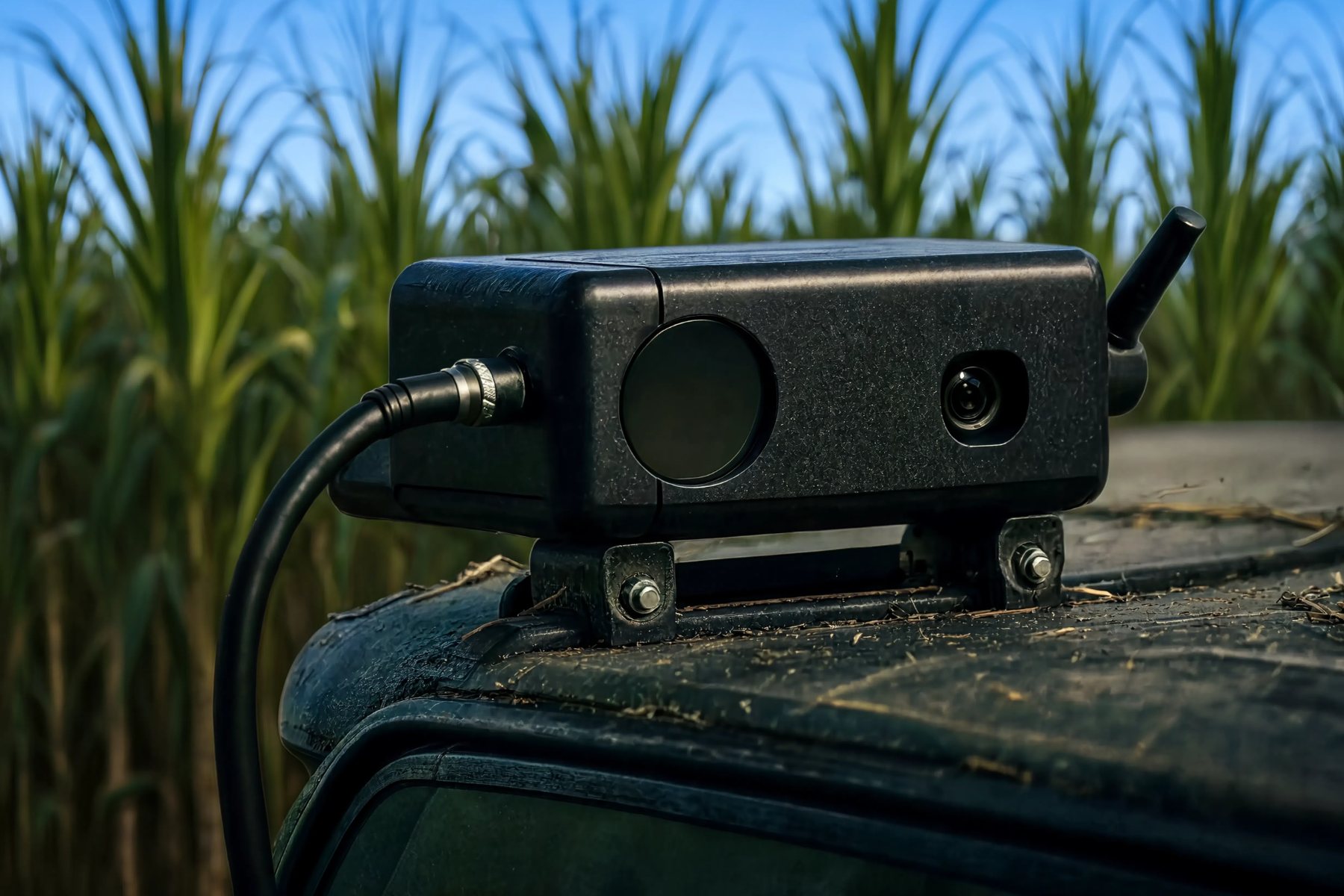
Brazil-based Carbonova builds an AI operating system for heavy industry that shows operators the energy and margin they are losing. Carbonova Sense, its edge-AI flare monitor, combines radiometric LWIR thermal imaging, RGB video and acoustic signals to infer the flare's combustion state on the device, within seconds, without depending on the cloud: lit and normal, lit and smoking, degraded, flameout, venting or no flow. Each state change is logged with its evidence. Sense is not a methane sensor: for confirmed venting events, vented methane mass is calculated from your process data (SCADA flow, duration and gas composition). It complements, rather than replaces, the pilot monitoring that OOOOb or your permit requires, and it is currently at pilot stage.
Events and evidence flow into Carbonova CarbonOS, the AI-agent platform that keeps the data lineage behind your Scope 1 inventory, so the same figures can support SB 253 filings and buyer questionnaires. See our oil and gas page.
How efficient are natural gas flares in practice?
Industry and regulators generally assume flares stay lit and destroy 98% of methane. The 2022 Science study by Plant and colleagues measured an average effective destruction of 91.1% across the Permian, Eagle Ford and Bakken, with unlit flares and inefficient combustion contributing about equally. That implies roughly five times more methane than the 98% assumption suggests.
What does OOOOb require for flares, and when?
Flares and enclosed combustion devices covered by OOOOb must have a continuous pilot flame and a control-room alarm for an unlit pilot by January 22, 2027. Routine flaring of associated gas at new oil wells was phased out from May 7, 2026, with flexibilities for temporary flaring. EPA has signaled a further review, so confirm current requirements with your permit and counsel.
Is Carbonova Sense a methane detector?
No. Carbonova Sense infers a flare's combustion state from thermal, visual and acoustic signals processed on the device. For confirmed venting events, vented methane mass is calculated from process data such as SCADA flow and gas composition. It does not measure methane in the air and is not a leak detection system.
If you operate flares and want to see continuous combustion-state monitoring on your sites, book a demo. Carbonova, headquartered in São Paulo, Brazil, was selected for the Nasdaq Entrepreneurial Center's 2026 Milestone Makers CleanTech cohort.
Sources
- Plant et al., Science (2022): Inefficient and unlit natural gas flares both emit large quantities of methane
- Federal Register: OOOOb/OOOOc deadline extensions (Dec. 3, 2025)
- Federal Register: OOOOb/OOOOc reconsideration (Apr. 9, 2026)
- EPA: Flaring after the phase-out deadline (May 1, 2026)
- CARB: SB 253 and SB 261
- European Commission: Methane emissions
Last reviewed: September 30, 2026


.avif)


