[STEEL INDUSTRY]

Produce low-carbon steel with precise monitoring. Optimise with CarbonOS.

With CarbonOS, Carbonova delivers the data intelligence your steel mill needs to reduce emissions, optimise energy consumption, and stand out in an increasingly competitive and regulated market.
our expertise
our expertise
PROGRAMMES &
TECHNOLOGY PARTNERS
Cutting carbon intensity — ResponsibleSteel & worldsteel alignment
By optimising processes and energy sources, CarbonOS makes your operation more efficient and more profitable.
[APPLIED EFFICIENCY]
CarbonOS: AI-native infrastructure for steel industry decarbonisation.
CarbonOS monitors emissions in real time across every process in your steel mill, from the blast furnace to the rolling mill. The platform delivers insights for switching to cleaner energy sources, optimising processes, and generating compliance reports.
Right arrow iconRight arrow icon
our process
Process Efficiency
Energy Source Management
Compliance and Reporting
Sustainable Value Chain
[our purpose]
Accelerating the steel industry’s transition to a low-carbon future with technology, data, and market intelligence.
Right arrow iconRight arrow icon
our partners
[OUR SOLUTIONS]
Customised solutions for steel industry emissions challenges.
Our specialists work with your team to implement CarbonOS, adapting the platform to your operation’s specific needs. From production data analysis to integration with existing systems, we offer a complete solution for emissions management.
Blast Furnace Optimisation
Scrap Recycling
Green Hydrogen
Sustainability Reports
Life Cycle Assessment
Automated inventory icon
Regulatory Compliance
low-carbon
steel
carbonova systems
CBAM compliance
Companies and partners that trust Carbonova
[Frequently asked questions]

Low-carbon steelmaking with AI: frequently asked questions

Short answers on cost, emissions and carbon rules in a steel mill. To see them worked out with your own plant data, book a demo.

Right arrow iconRight arrow icon
book a demo

How does Carbonova help a steel mill cut costs and emissions?

Up arrow icon

Carbonova connects blast furnace, steel shop, rolling mill and energy data to CarbonOS, a platform of AI agents that calculates emissions per tonne of iron and steel, flags drift in coal, gas and electricity use, and compares scrap, process-gas and route scenarios by their effect on cost and CO₂. Carbonova Build, in early access, adds process simulation and advanced process control.

Where do a steel mill’s emissions come from?

Up arrow icon

On the integrated route, most emissions come from the blast furnace, where coke and coal reduce iron ore and release CO₂; sinter plants, coke ovens and reheating furnaces add the rest. That is why the route matters so much: in 2024 the world average was 2.34 tCO₂ per tonne of steel for the blast furnace and basic oxygen furnace route, against 0.69 tCO₂ for scrap-based electric arc furnaces (worldsteel, 2025).

Which carbon rules apply to steelmaking in the UK?

Up arrow icon

Plants producing more than 2.5 tonnes of iron or steel an hour are in the UK Emissions Trading Scheme. From 1 January 2027 the UK CBAM puts a carbon price on imported iron and steel, alongside aluminium, cement, fertiliser and hydrogen, so imports carry a carbon cost too. UK-listed steel groups report against UK SRS on a comply-or-explain basis for accounting periods starting on or after 1 January 2027 (FCA, 2026).

Does the EU CBAM apply to UK steel exported to Europe?

Up arrow icon

Yes. UK steel entering the EU has carried a CBAM obligation for the EU importer since 1 January 2026, at a third-quarter 2026 price of €82.32 per tonne, and default values cost more than verified data. Linking the UK and EU emissions trading systems would bring mutual exemption from both CBAMs; an agreement was reported in October 2026, but neither government had confirmed it by mid-October. Carbonova keeps installation-level data ready for EU buyers.

How does Carbonova help cut energy and carbon per tonne of steel?

Up arrow icon

The planning agent uses the mill’s real data to simulate and rank, by cost per tonne of CO₂ avoided, measures such as a higher scrap share, better use of blast furnace, coke oven and converter gases, heat recovery and fuel switching. In Germany, integrated steelworks cover most of their own electricity by burning process gases (UBA, 2019), and Carbonova Build adds pinch analysis of heat exchange.

How does Carbonova prepare steel carbon data for customers and auditors?

Up arrow icon

CarbonOS calculates product-level footprints from production, energy and raw-material data, with lineage back to the source, versioned emission factors and a change history, in line with the ISO 14064-3 verification standard. The same dataset supplies the emissions data EU importers need for CBAM, ISSB-aligned disclosures and carbon footprint requests from carmakers and other customers.

[our blog]
Steel Industry: News and Analysis.
Follow the latest trends in decarbonisation technologies, regulations, and innovations for the steel industry. Our blog delivers in-depth analysis to help your company stay ahead on the path to sustainability.
Aerial view of a production site with solar roofs in front of an Alpine panorama (AI-generated illustration)
Guide
11 Nov 26
CO₂ Act, ETS and climate reporting: a guide for Swiss industrial companies
Right arrow iconRight arrow icon
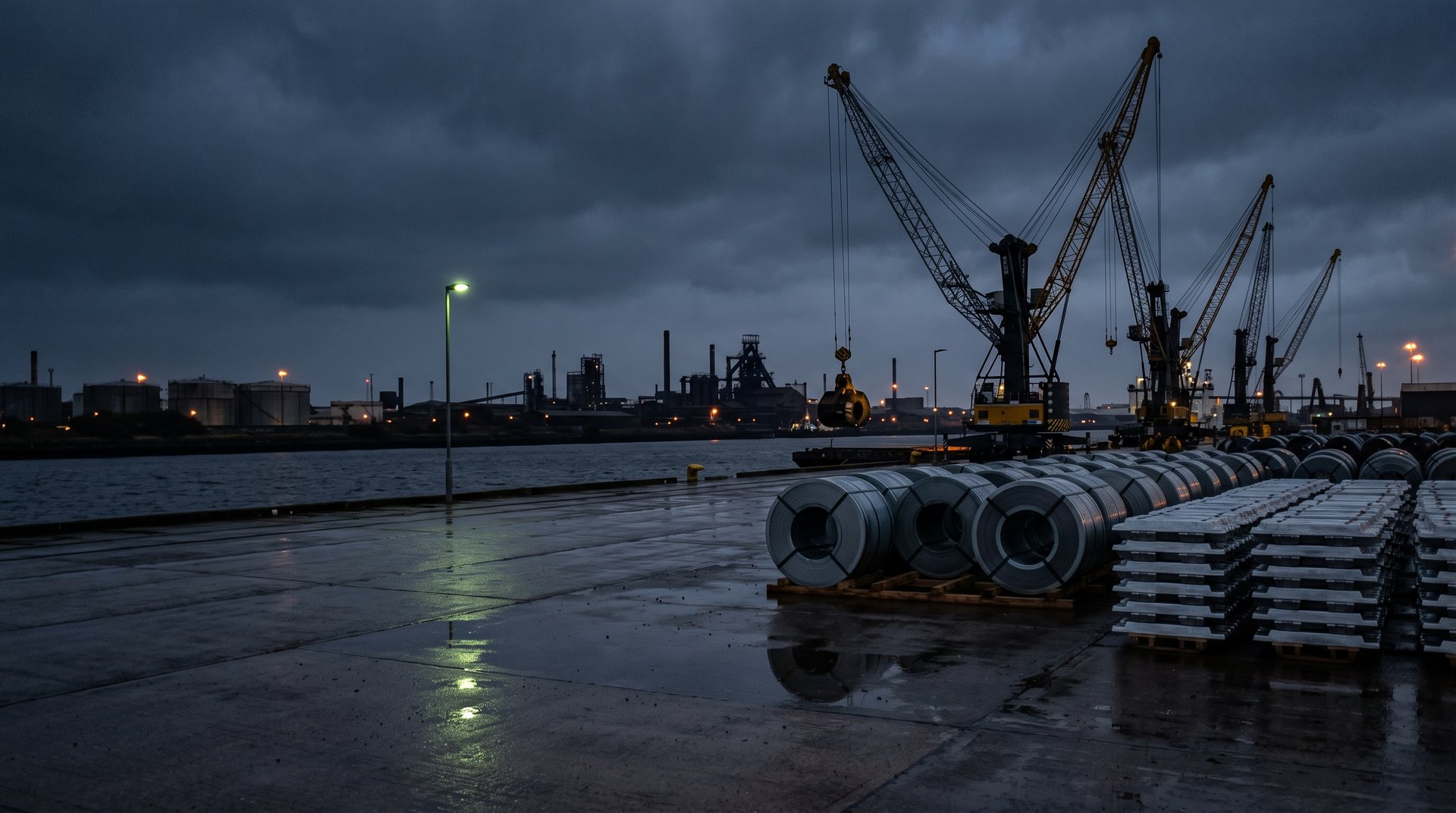
Imported steel coils and aluminium ingots on a Teesside quay at dusk, with cranes and industrial plant behind
Regulation
02 Nov 26
UK–EU Carbon Market Link: What It Means for CBAM
Right arrow iconRight arrow icon
Chemical plant on a northern England estuary in the early morning, with pipe racks, a heat recovery unit and mudflats (AI-generated illustration)
News
18 Oct 26
How AI Cuts Costs and Creates New Revenue for UK Heavy Industry: The 2026 Numbers
Right arrow iconRight arrow icon