[CONSTRUCTION SECTOR]

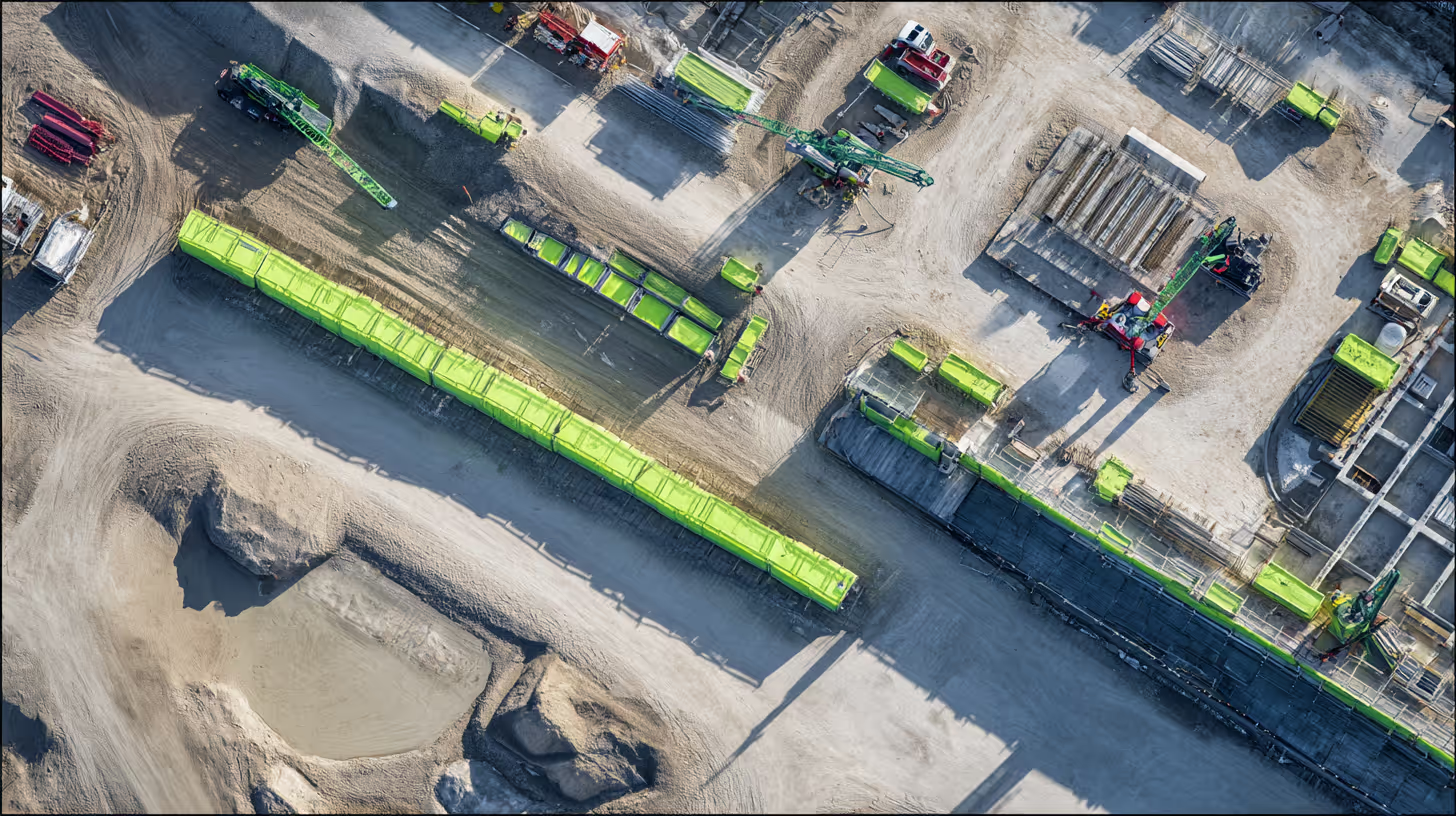
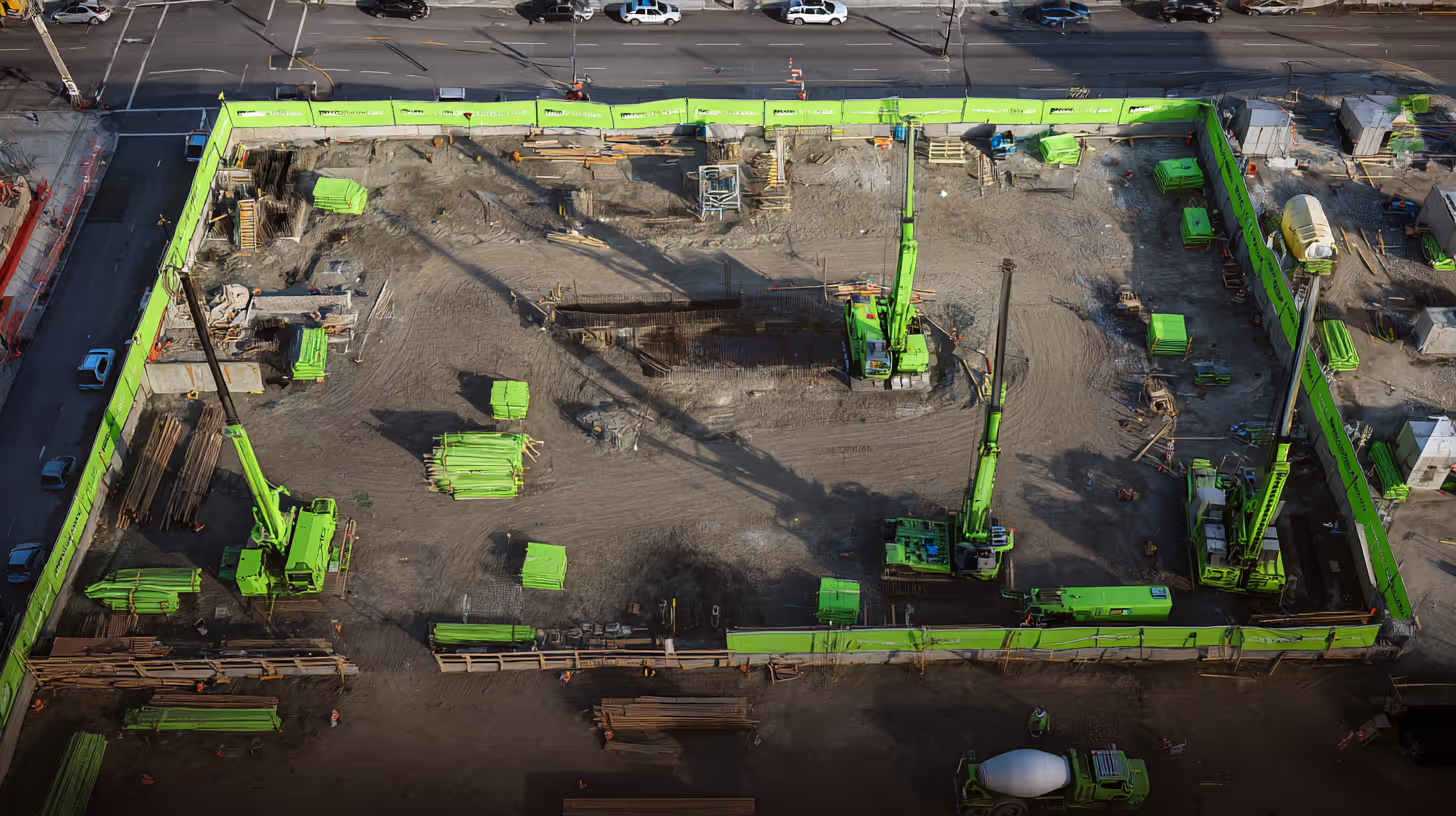
Construction & Real Estate: embodied carbon and site emissions under control, with CarbonOS.

With CarbonOS, contractors and developers measure and reduce embodied carbon and site emissions — with auditable data from the construction site to the portfolio.
our expertise
our expertise
PROGRAMMES & TECHNOLOGY PARTNERS
15
specialised AI agents — from embodied carbon (EPDs) to an auditable site emissions report, in a single pipeline.

[APPLIED EFFICIENCY]
CarbonOS: carbon management for construction projects and real estate portfolios.
CarbonOS consolidates site emissions, material EPDs, and energy use into an auditable graph — embodied and operational carbon, ready for reporting, certification, and purchasing decisions.
Right arrow iconRight arrow icon
our process
Project Management
Cost Control
Quality and Compliance
Supply Chain
[OUR PURPOSE]
Bringing construction and real estate to low carbon — from the embodied carbon in materials to building operations, backed by auditable data.
Right arrow iconRight arrow icon
our partners
[OUR SOLUTIONS]
Custom solutions for construction and real estate decarbonisation challenges.
Our specialists work with your team to implement CarbonOS, adapting the platform to the specifics of your operation. From production data analysis to integration with your existing systems, we offer a complete solution for emissions management.
Embodied Carbon (EPD)
Site Emissions
Low-Carbon Materials
Sustainability Reports
Life Cycle Assessment
Automated inventory icon
Regulatory Compliance
sustainable
construction
carbonova systems
ESG & LEED compliance
Companies and partners that trust Carbonova
[Frequently asked questions]

Construction and real estate carbon: frequently asked questions

Short answers on embodied carbon, building energy and carbon rules in construction and real estate. To see them worked out with your project data, book a demo.

Right arrow iconRight arrow icon
book a demo

How does Carbonova help construction and real estate companies cut costs and emissions?

Up arrow icon

Carbonova brings construction site emissions (diesel, generators and power), purchased material quantities and EPDs, and the energy use of operating buildings into CarbonOS, a platform of AI agents. It calculates embodied and operational carbon per project and per asset, compares material and retrofit options by their effect on cost and CO₂, and produces reports with an audit trail back to the invoice or the meter.

Where do emissions in construction and buildings come from?

Up arrow icon

They come from two places: operational carbon, from the energy used to heat, cool, light and run buildings, and embodied carbon, from materials, transport and construction work. Together, buildings and construction account for 34% of global CO₂ emissions, and the sector depends on materials such as cement and steel that are responsible for 18% of global emissions (UNEP, 2025). That is why material choices matter as much as building efficiency.

Which carbon rules apply to construction and real estate in the UK?

Up arrow icon

The UK CBAM, which starts on 1 January 2027, puts a carbon price on imported cement, iron and steel and aluminium, among other goods; importers must register once their CBAM goods exceed £50,000 over a rolling 12 months. For disclosure, UK-listed companies report against UK SRS on a comply-or-explain basis for accounting periods starting on or after 1 January 2027, with a one-year relief for Scope 3, where purchased materials sit (FCA, 2026).

What does a low EPC rating cost a UK commercial landlord?

Up arrow icon

Since 1 April 2023, privately rented non-domestic property in England and Wales must have an EPC rating of at least E unless a valid exemption is registered, and landlords who keep letting in breach for three months or more face penalties of up to £150,000 (MEES Regulations, 2015). Carbonova measures energy use and emissions per building from meter data and ranks retrofit measures by cost per tonne of CO₂ avoided, so owners can plan upgrades across the portfolio.

How does Carbonova help choose cement and steel with less embodied carbon for a project?

Up arrow icon

The supply chain agent collects supplier EPDs and data, and the planning agent compares options for each project, such as blended cements or scrap-based electric arc furnace steel, by cost and CO₂ avoided. The gap can be large: on global average, scrap-based electric arc furnace steel emits 0.69 tCO₂ per tonne, against 2.34 for the blast furnace route (worldsteel, 2025).

Will carbon numbers for projects and buildings stand up to an audit?

Up arrow icon

Yes. CarbonOS reads purchase and invoice data from ERP systems such as SAP or Oracle, plus energy meters and IoT data from sites and buildings, and keeps for every value the lineage to its source document, a versioned emission factor and a change history, in line with the ISO 14064-3 verification standard. The same dataset serves regulatory filings, ISSB-aligned disclosures, green finance and requests from investors, tenants and customers.

[our blog]
Construction & Real Estate: News and Analysis.
Follow embodied carbon, EPDs, low-carbon materials, and industry regulation. Analysis from our team for contractors and developers.
Aerial view of a production site with solar roofs in front of an Alpine panorama (AI-generated illustration)
Guide
11 Nov 26
CO₂ Act, ETS and climate reporting: a guide for Swiss industrial companies
Right arrow iconRight arrow icon
Imported steel coils and aluminium ingots on a Teesside quay at dusk, with cranes and industrial plant behind
Regulation
02 Nov 26
UK–EU Carbon Market Link: What It Means for CBAM
Right arrow iconRight arrow icon
Chemical plant on a northern England estuary in the early morning, with pipe racks, a heat recovery unit and mudflats (AI-generated illustration)
News
18 Oct 26
How AI Cuts Costs and Creates New Revenue for UK Heavy Industry: The 2026 Numbers
Right arrow iconRight arrow icon