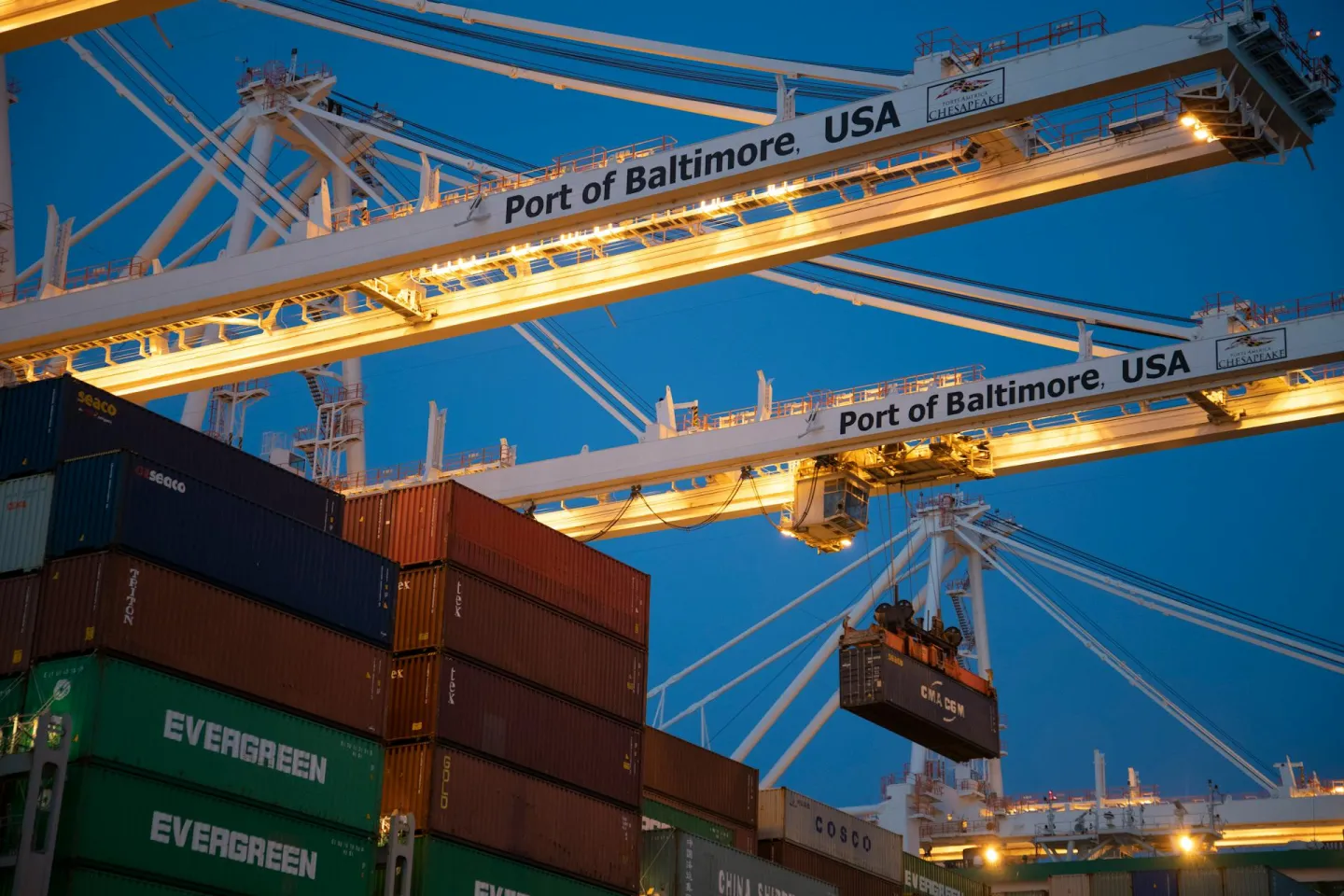
Container terminal at night with illuminated gantry cranes, supply chain

Supply Chain.

Full visibility into Scope 3 emissions — from supplier to delivery. Track suppliers, analyse climate risks and optimise sustainable logistics across the entire value chain.
[what it is]
Full visibility into Scope 3 emissions — from supplier to delivery.
Automated inventory icon
Supplier Emissions Tracking
Continuous supplier emissions tracking with Scope 3 data coverage. Visual value chain mapping with identified emission hotspots.

‍
Climate Risk Analysis by Supplier
Climate risk classification by supplier with criticality level, scorecards, and automated emissions data collection campaigns.
Regulatory compliance icon
Supplier Engagement & Scorecards
Engagement management with questionnaires, structured data collection, and climate performance scorecards for each supplier in the chain.
Sustainable Logistics Optimisation
Emissions reduction in transportation and distribution. Route analysis, modal optimisation, and load consolidation to reduce logistics costs and carbon footprint.

According to the GHG Protocol, most corporate emissions come from Scope 3 sources, grouped into 15 categories upstream and downstream of a company’s operations. Without supplier data, that share rests on generic estimates.
GHG Protocol
Corporate Value Chain (Scope 3) Standard, 2011
15
Scope 3 categories supported under the GHG Protocol Corporate Value Chain Standard.
10%
Mark-up on CBAM default values in 2026 when an EU importer lacks verified supplier data (1% for fertilisers).
Right arrow iconRight arrow icon
learn more
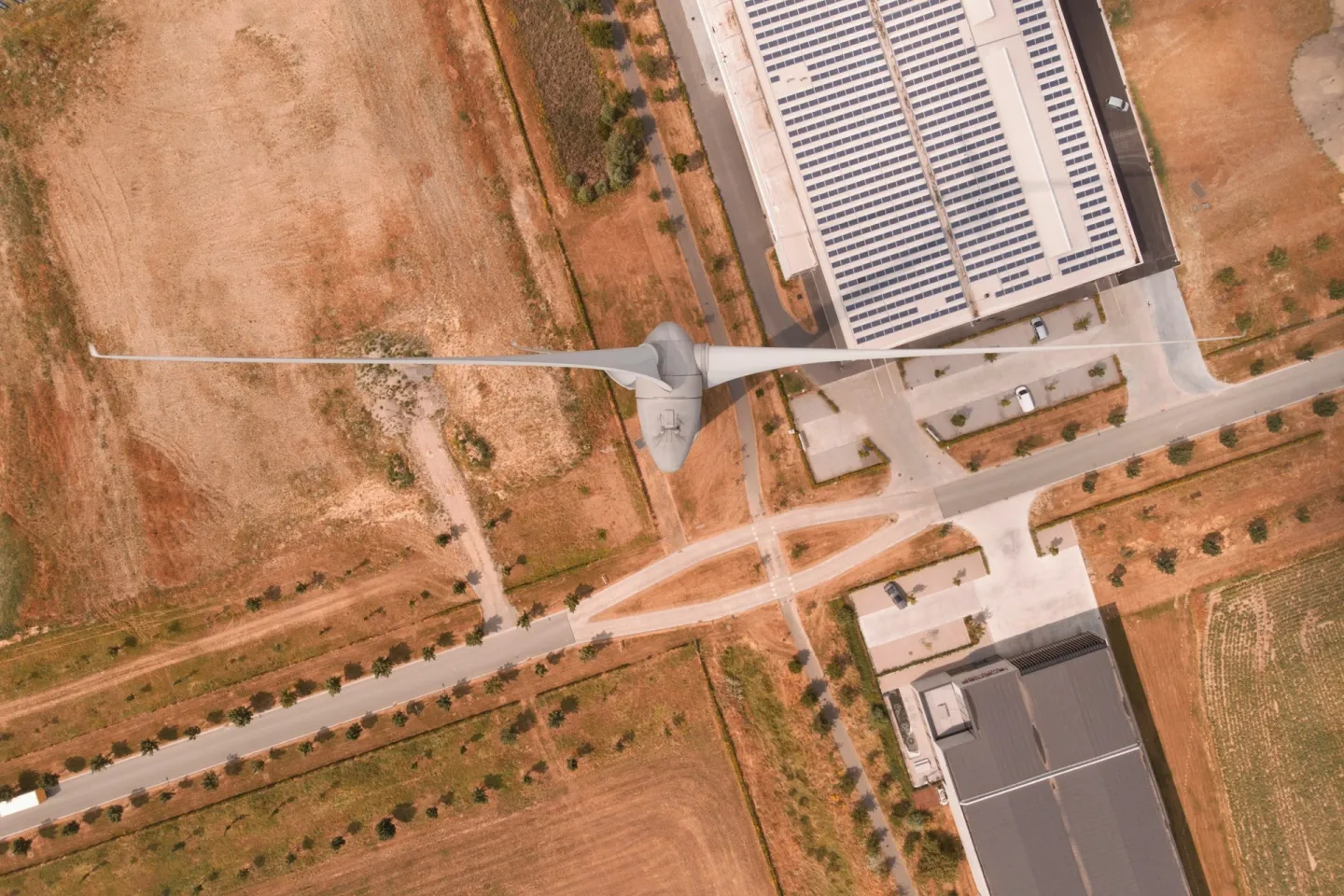
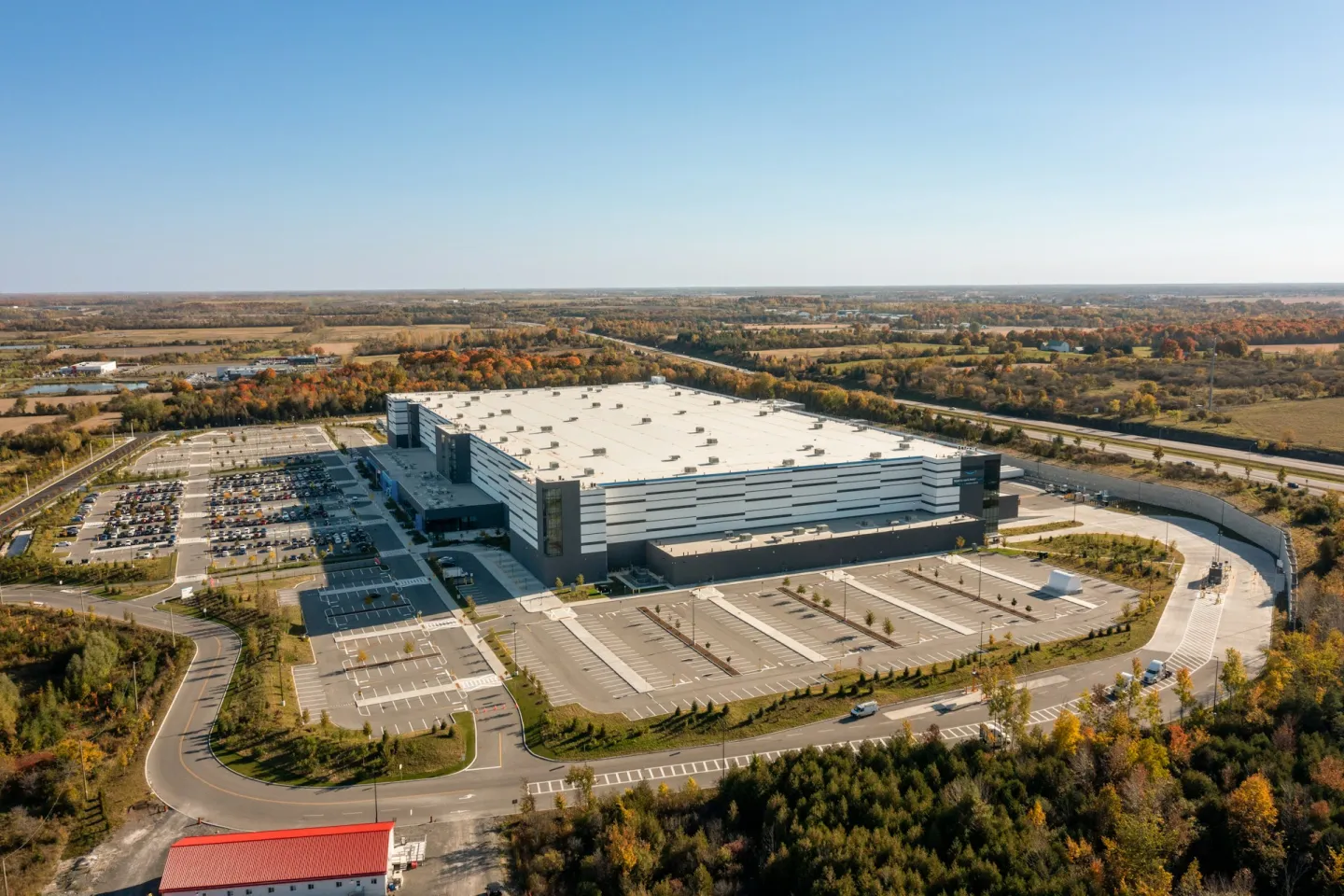
Industrial facility monitored by the CarbonOS carbon management systemSustainable logistics and low-carbon transportationCorporate team in a meeting about climate complianceSustainability specialist analysing carbon emissions data
[supply chain]
Carbonova’s Supply Chain manages Scope 3 emissions across the entire value chain. It analyses supplier risks, engages partners in the decarbonisation journey, and optimises logistics to reduce upstream and downstream carbon footprint.
Right arrow iconRight arrow icon
learn more
[how it works]
Manage Emissions Across the Entire Value Chain.
Industrial facility monitored by the CarbonOS carbon management system
Industrial operation with Carbonova carbon management
Renewable energy icon
Supplier emissions tracking with upstream and downstream Scope 3 data coverage
Climate risk analysis by supplier with criticality classification and scorecards
Sustainable logistics optimisation with emissions reduction in transportation and distribution
Corporate team in a meeting about climate compliance
scope 3
tracking
supplier
engagement
[ON THE PLATFORM]

How it works in CarbonOS

Scope 3 under control: all 15 GHG Protocol categories, supplier risk and automated engagement to collect the missing data.

01 · MAP
15 Scope 3 categories

Covers the entire value chain — from purchasing to logistics — across the 15 GHG Protocol categories.

02 · ASSESS
Data-driven supplier risk

Scores risk for each supplier and prioritises where impact — and uncertainty — are highest.

03 · ENGAGE
Automated data collection campaigns

Reaches suppliers through automated campaigns and optimises sustainable logistics routes.

app.carbonova.ai · Supply Chain
Scope 3 · value chain (demo)
Total Scope 3
608,950 tCO₂e · 49%
GHG categories
15/15 covered
Supplier under review
● 1
Engagement
● automated
illustrative data from the demo environment
Scope 315 GHG categoriesSupplier riskEngagementLogistics
[Frequently asked questions]

Scope 3 and supply chain emissions: frequently asked questions

Short answers on Scope 3, supplier data, supplier risk and logistics emissions. To see your own value chain mapped, book a demo.

Right arrow iconRight arrow icon
book a demo

What is Carbonova’s Supply Chain agent?

Up arrow icon

Supply Chain is the CarbonOS agent that manages Scope 3 emissions, from purchasing to logistics, across the 15 GHG Protocol categories. It collects supplier data through questionnaires and automated campaigns, scores each supplier’s climate risk in scorecards and calculates transport and distribution emissions to support route, mode and load-consolidation choices.

Who is Supply Chain for, and why do Scope 3 supply chain emissions matter?

Up arrow icon

It serves procurement, sustainability, logistics and compliance teams in sectors such as retail, chemicals, agribusiness and export manufacturing, whose customers ask for product footprints. According to the GHG Protocol, most corporate emissions come from Scope 3 sources, outside a company’s own operations. Without supplier data, a company is left with generic estimates and cannot see where to cut or what to tell customers and investors.

How does Supply Chain work, and where does supplier Scope 3 data come from?

Up arrow icon

Signal Ingest brings in purchasing records and invoices from ERP systems such as SAP and Oracle, and freight data from TMS and WMS systems. The agent classifies that data into Scope 3 categories, applies versioned emission factors and prioritises the suppliers where impact and uncertainty are highest. Automated campaigns request the missing data, and every number keeps its lineage back to the source.

Which rules require Scope 3 and supplier emissions data in the UK?

Up arrow icon

UK SRS S1 and S2, the UK-endorsed ISSB standards, were published in February 2026. Under FCA rules published on 30 September 2026, companies with UK-listed shares report against them on a comply-or-explain basis for accounting periods starting on or after 1 January 2027, with one year of relief for Scope 3. The UK CBAM, which starts on 1 January 2027, puts a carbon price on imported aluminium, cement, fertiliser, hydrogen, and iron and steel.

How does Supply Chain connect with other CarbonOS agents?

Up arrow icon

Signal Ingest brings in purchasing and freight data, Carbon Intelligence consolidates Scope 3 into the inventory and the Proof Engine keeps the lineage of every number. Risk Management and Sentinel AI add climate risk and satellite signals on suppliers, and Compliance Hub carries the data into reports such as CSRD, CBAM and EUDR. The Decarbonization Planner adds supplier actions to the reduction roadmap, and CircularOS handles secondary raw materials.

How do you get Scope 3 data from suppliers that don’t measure their own emissions?

Up arrow icon

Start with the data you already have. For purchased goods and services, the GHG Protocol accepts four methods: supplier-specific, hybrid, average-data and spend-based, the last applying emission factors to the amount spent (GHG Protocol, 2013). The agent starts from purchasing records to estimate the category, then replaces estimates with supplier data as campaigns bring responses, beginning where impact and uncertainty are highest.