

[AUTOMOTIVE SECTOR]
The carbon footprint of every vehicle, from steel to the assembly line.

FOOTPRINT PER VEHICLE
kg CO₂e
per model and per part: steel, aluminium, battery, paint, assembly and logistics.
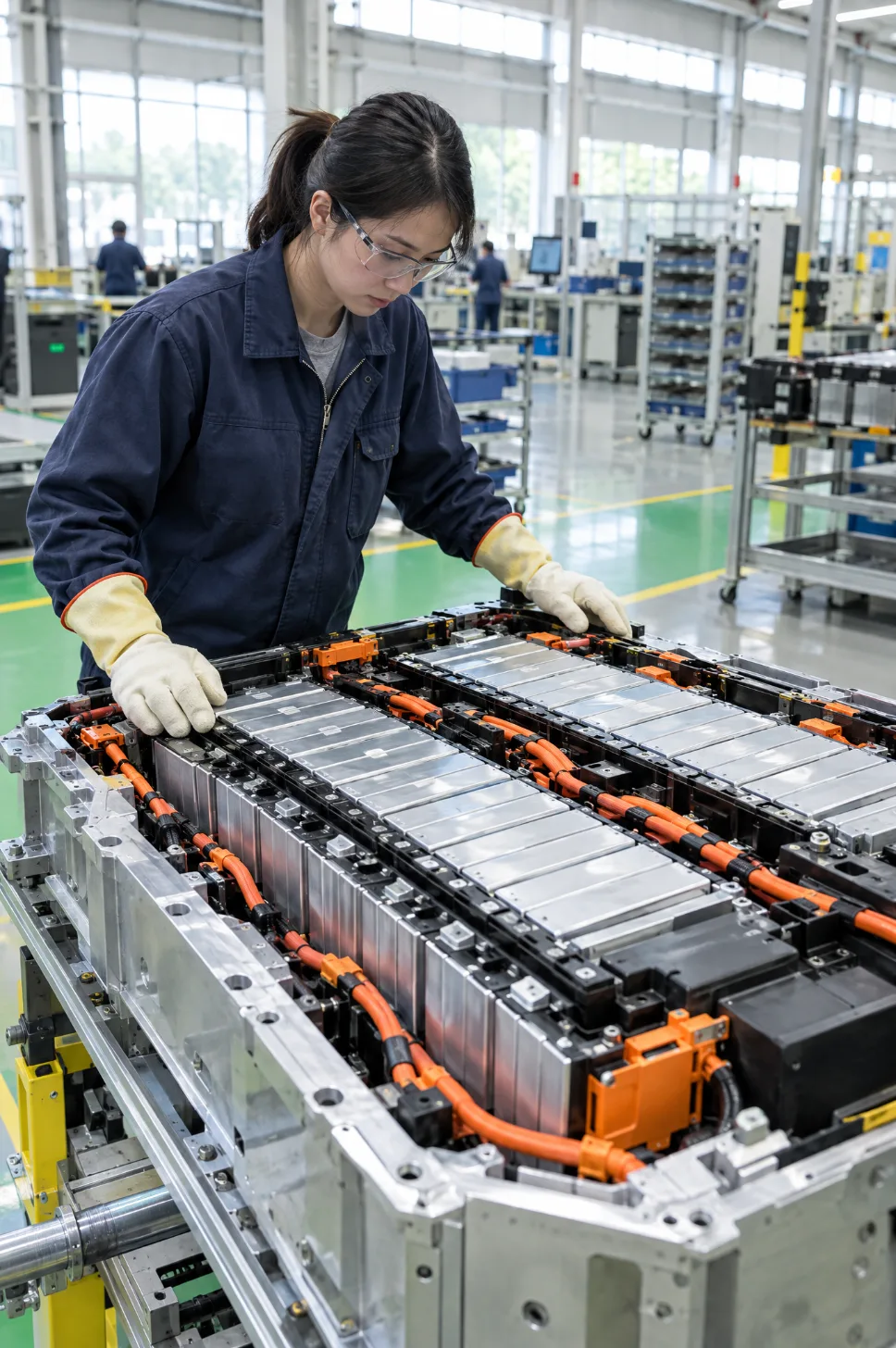



Brazil’s Decree 12,435/2025 calls for registering the carbon inventory of the plants and the footprint of vehicles sold in the country. From 1 January 2027, mandatory cradle-to-grave footprint requirements, set by Brazil’s industry ministry (MDIC), apply.
Under Regulation (EU) 2023/1542, every electric vehicle battery placed on the EU market needs a digital passport. The battery carbon footprint declaration applies 12 months after the delegated act that sets the calculation method.
The EU is negotiating an extension of CBAM to downstream steel and aluminium products, including vehicle parts, from 1 January 2028. European buyers will ask for the embedded emissions of each part.
Status as of November 2026. EU rules under negotiation may change.


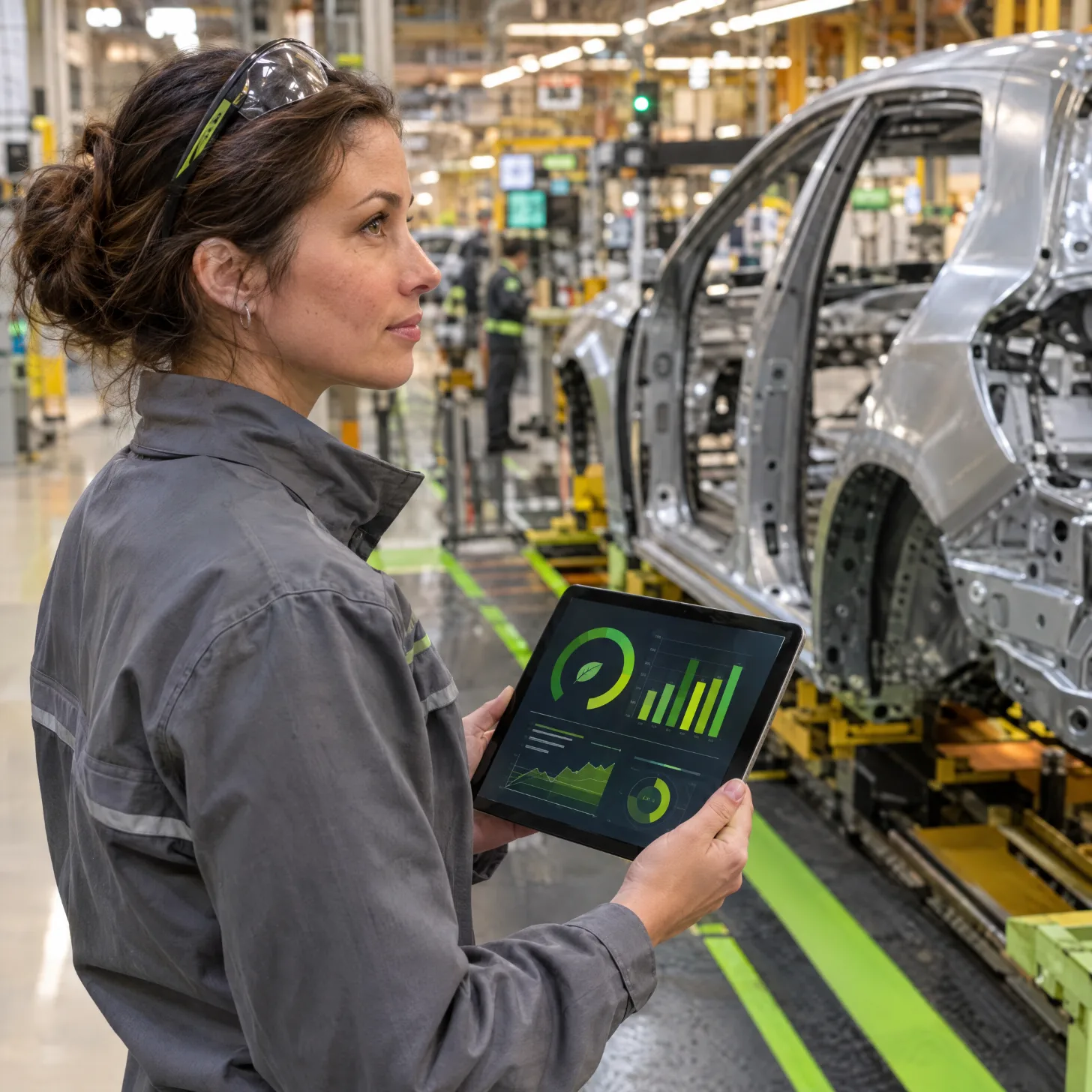
Short answers on vehicle footprints, MOVER and the EU rules reaching the automotive supply chain. To see it with your own data, book a demo.

From the bill of materials: each part and material (steel, aluminium, plastics, battery) gets the footprint reported by its supplier or an emission factor whose source and version are recorded. Plant energy and fuels, painting, assembly and logistics are added; for a cradle-to-grave footprint, the use phase and end of life are included too. CarbonOS follows ISO 14067 for product footprints and the GHG Protocol for the company inventory.
Under Decree 12,435/2025, which regulates Brazil’s MOVER programme, manufacturers and importers declare, by 31 December 2026, the registration of the carbon inventory of their source plants and of the carbon footprint of vehicles sold in Brazil. From 1 January 2027, mandatory cradle-to-grave carbon footprint requirements apply, as set by Brazil’s industry ministry (MDIC). Check the details of your own registration with your legal team.
Supply Chain gathers the part footprints reported by suppliers, checks the data for consistency and separates primary data from estimates. Where a supplier has no data yet, an average emission factor with a recorded source is used, and the report shows how much each estimate weighs in the total.
Yes. Signal Ingest reads bill of materials, purchasing and production data from the ERP (SAP, TOTVS and others) through an API, a database connection or file import, with read-only access. Nothing has to be re-keyed.
Three fronts: the digital passport for electric vehicle batteries, mandatory from 18 February 2027 under Regulation (EU) 2023/1542, which also provides for a battery carbon footprint declaration; the proposal to extend CBAM to steel and aluminium parts from 2028, still under negotiation; and data requests from customers reporting under the CSRD.
An export of the bill of materials and purchasing data, or access to the ERP, plus energy bills and fuel records for the plants. In a demo, Carbonova shows how this data becomes a footprint per vehicle and per part, and what connecting your ERP involves.


