[ENERGY SECTOR]

Energise the future with precise grid monitoring. Optimise with CarbonOS.
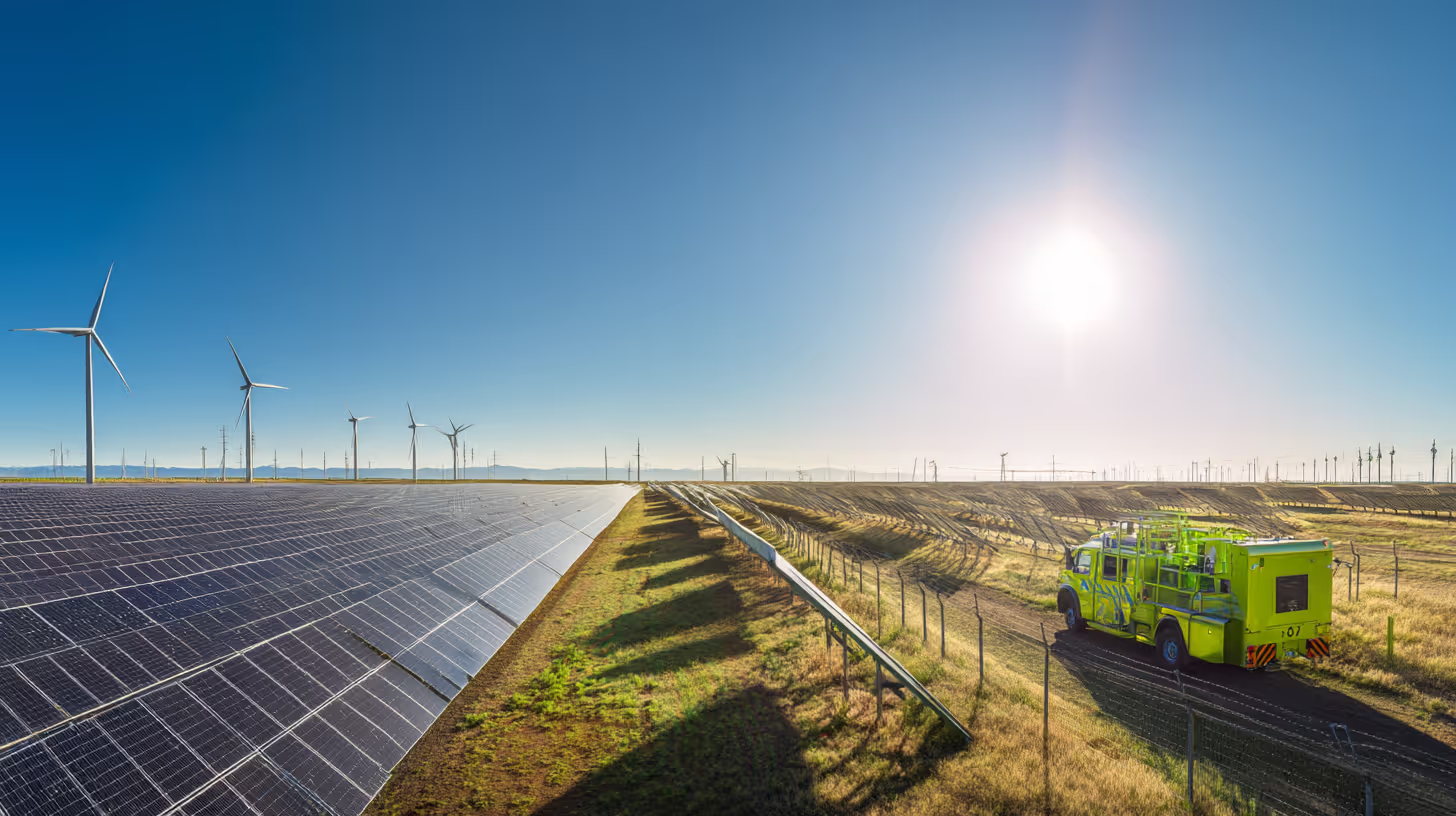
With CarbonOS, we deliver the data intelligence your energy or utility company needs to optimise distribution, reduce losses, and stand out in an increasingly regulated market.
our expertise
our expertise
PROGRAMMES & TECHNOLOGY PARTNERS
15
specialised AI agents — from an auditable GHG inventory to grid carbon and energy management, in a single pipeline.
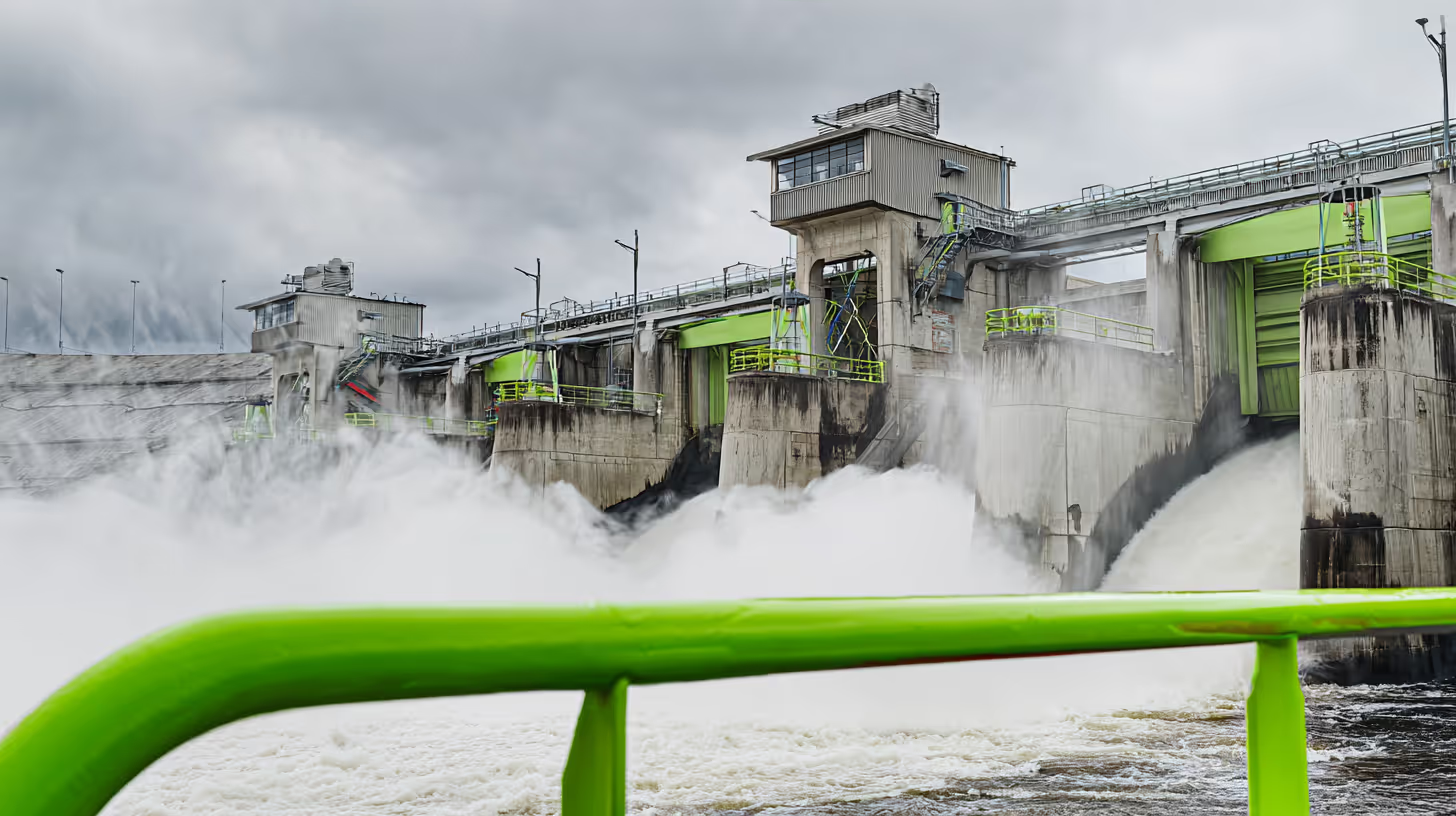
[APPLIED EFFICIENCY]
CarbonOS: AI-native infrastructure for energy and utility grid management.
CarbonOS monitors the performance of your entire network in real time, from generation to distribution. The platform delivers insights for optimising resources, managing field crews, and generating performance reports.
Right arrow iconRight arrow icon
our process
Asset Management
Loss Control
Quality and Compliance
Supply Chain
[OUR PURPOSE]
Accelerating the digital transformation of the energy and utilities sector with technology, data, and market intelligence.
Right arrow iconRight arrow icon
our partners
[OUR SOLUTIONS]
Customised solutions for energy and utilities sector challenges.
Our specialists work with your team to implement CarbonOS, adapting the platform to your operation’s specific needs. From consumption data analysis to integration with existing systems, we offer a complete solution for grid management.
Grid Optimisation
Demand Management
Smart Grids
Sustainability Reports
Life Cycle Assessment
Automated inventory icon
Regulatory Compliance
energy
transition
carbonova systems
compliance and renewables
Companies and partners that trust Carbonova
[Frequently asked questions]

Energy and utilities with AI: frequently asked questions

Short answers on grid losses, Scope 2, costs and carbon rules for energy and utility companies. To see them worked out with your own data, book a demo.

Right arrow iconRight arrow icon
book a demo

How does Carbonova help an energy or utility company cut costs and emissions?

Up arrow icon

Carbonova connects SCADA, meter and ERP data to CarbonOS, a platform of AI agents that calculates emissions from generation, network losses and vehicle fleets, flags anomalies in metering and consumption, and ranks measures by cost per tonne of CO₂ avoided. For generation assets, Carbonova Build, in early access, adds prescriptive maintenance. The same dataset feeds GHG Protocol, ISSB-aligned and customer reporting.

Where do an energy or utility company’s emissions come from?

Up arrow icon

In thermal generation, from burning gas, coal or oil; in networks, from energy losses, which the company that owns or controls the transmission or distribution system reports in Scope 2, and from SF₆ leaks in gas-insulated equipment. Each kilowatt-hour generated worldwide emitted 435 gCO₂ on average in 2025 (IEA, 2026), so the same loss weighs far more on fossil-heavy grids.

Which carbon rules apply to power and utility companies in the EU?

Up arrow icon

Power stations with combustion plant above 20 MW are in the EU Emissions Trading System and receive no free allocation for electricity production, except under the Article 10c derogation and for electricity from waste gases. Imported electricity has carried a CBAM obligation since 1 January 2026, with no 50-tonne annual exemption. Large companies report under the CSRD as amended by Omnibus I, and network operators count grid-loss emissions in Scope 2 under the GHG Protocol.

What does a tonne of CO₂ cost an EU power generator?

Up arrow icon

With no free allocation for electricity production, a generator buys an allowance for every tonne it emits, and EU ETS auction prices averaged €82.32 per tonne in the third quarter of 2026. Every tonne avoided through better heat rate, lower auxiliary load, fewer starts or lower network losses saves that cost on top of fuel. Carbonova’s planning agent ranks those measures by cost per tonne avoided.

How does Carbonova handle Scope 2 under the GHG Protocol revision?

Up arrow icon

The GHG Protocol is revising Scope 2: its consultation on hourly matching and deliverability for market-based reporting closed on 31 January 2026, a second consultation is due in 2026 and the final standard is expected in 2027. CarbonOS keeps energy data and versioned emission factors, so the inventory can be recalculated when the rules change without collecting the data again.

Can Carbonova use a utility’s SCADA and meter data and keep it audit-ready?

Up arrow icon

Signal Ingest connects SCADA, meters, IoT sensors, ERP systems such as SAP or Oracle and energy and fuel invoices, then normalises and versions generation, loss and consumption data. Proof Engine keeps each number’s lineage back to its source, with versioned emission factors and a change history, in line with the ISO 14064-3 verification standard, which makes third-party verification easier.

[our blog]
Energy & Utilities: News and Analysis.
Follow the latest trends in smart grid technologies, regulations, and innovations for the energy and utilities sector. Our blog delivers in-depth analysis to help your company stay ahead on the path to sustainability.
Imported steel coils and aluminium ingots on a Teesside quay at dusk, with cranes and industrial plant behind
Regulation
02 Nov 26
UK–EU ETS Link: What Changes for Irish Importers
Right arrow iconRight arrow icon
Anaerobic digesters and a biomethane upgrading unit beside a dairy processing plant in County Cork countryside (AI-generated illustration)
News
18 Oct 26
How AI Cuts Costs and Creates New Revenue for Irish Industry: The 2026 Numbers
Right arrow iconRight arrow icon
Container crane and ferry at Dublin Port at dusk, with the twin chimneys in the distance (AI-generated illustration)
Guide
30 Sep 26
Authorised CBAM Declarant: How to Apply in Ireland (2026 Guide)
Right arrow iconRight arrow icon