.avif)

Scope 1, 2 and 3: The Definitive Guide to Calculating GHG Emissions
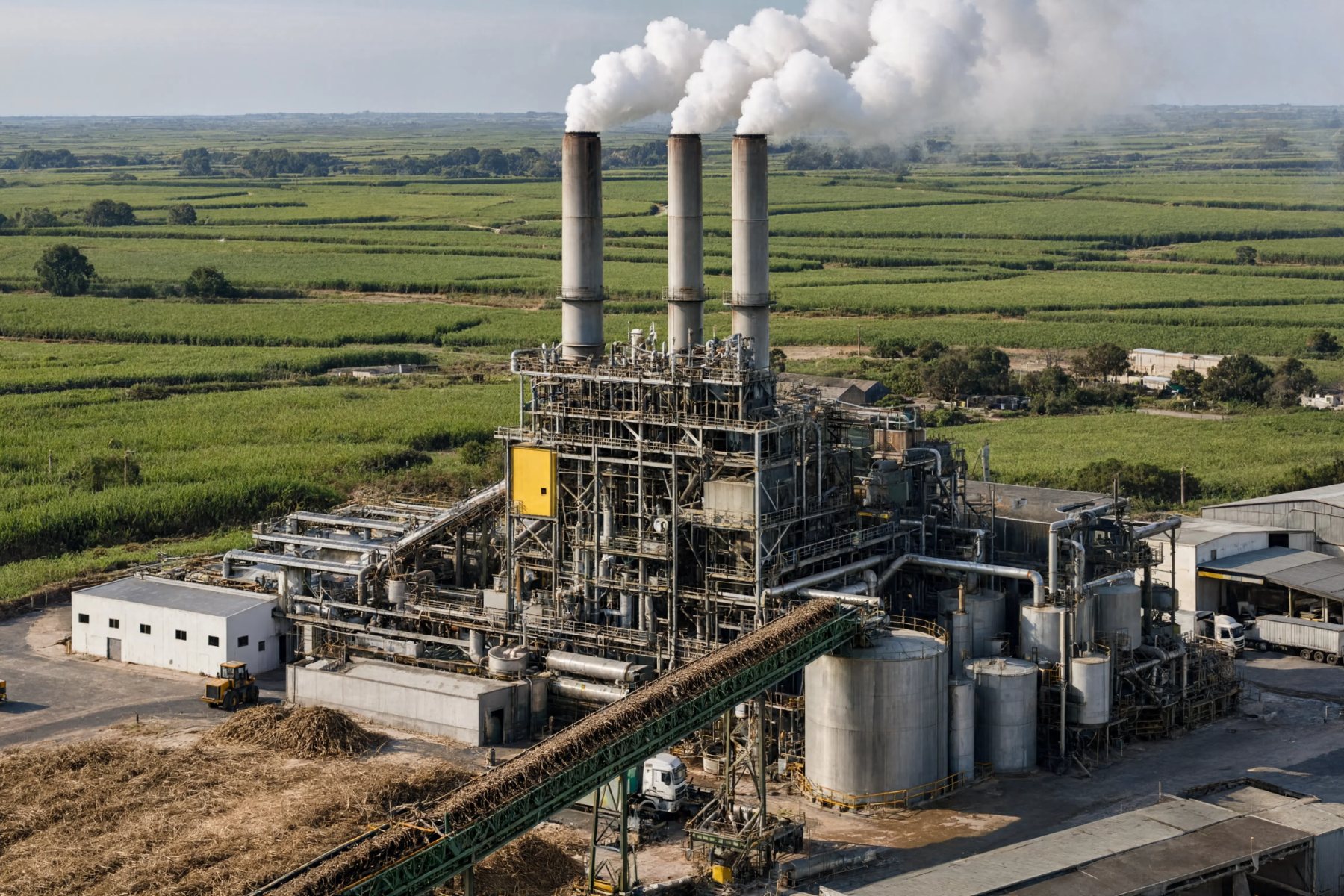
What are Emission Scopes
The GHG Protocol (Greenhouse Gas Protocol) is the most widely used framework in the world for accounting greenhouse gas emissions. It organizes emissions into three categories — or scopes — that help companies identify where their carbon footprint comes from and where to act to reduce it.
Understanding these scopes is not just an academic matter: it is a requirement for regulations such as SBCE, CBAM, CSRD, and frameworks like TCFD and SBTi. Without this foundation, your company cannot reliably report, reduce, or monetize its emissions.
Scope 1: Direct Emissions
Scope 1 covers all emissions that occur directly in operations controlled by the company. This includes: combustion of fossil fuels in boilers, furnaces, and company-owned vehicles; fugitive emissions from refrigeration systems and pneumatic equipment; and industrial process emissions such as calcination in cement or iron ore reduction.
In practice, to calculate Scope 1 you need fuel consumption data (diesel, natural gas, LPG, coal), refrigeration equipment inventory (with type and mass of refrigerant gas), and production data for process emissions. These data are multiplied by specific emission factors published by entities such as IPCC, EPA, or the Brazilian GHG Protocol Program.
Scope 2: Indirect Energy Emissions
Scope 2 covers emissions associated with the generation of electricity, steam, heat, or cooling purchased by the company. In Brazil, the electricity emission factor varies significantly depending on the grid energy mix — which changes according to rainfall, thermal dispatch, and time of day.
The GHG Protocol offers two approaches: location-based, which uses the average grid emission factor; and market-based, which considers renewable energy purchase contracts, RECs (Renewable Energy Certificates), and PPAs. Companies investing in clean energy benefit enormously from the market-based approach, as they can report much lower emissions.
Scope 3: Value Chain Emissions
Scope 3 is typically responsible for 70% to 90% of a company's total footprint, but it is also the most challenging to calculate. It includes 15 categories defined by the GHG Protocol, from purchased goods and services to product transportation, use of sold products, and investments.
The most relevant categories for Brazilian industries are generally: Category 1 (purchased goods and services), Category 4 (upstream transportation), Category 9 (downstream transportation), and Category 11 (use of sold products). For financial companies, Category 15 (investments) dominates.
Scope 3 calculation requires collaboration with suppliers, logistics data, and often estimates based on spend analysis when primary data is unavailable.
Common Errors in Emissions Calculation
Several errors are recurrent in corporate inventories: using outdated or wrong-country emission factors; ignoring fugitive emissions (which can represent 5-15% of Scope 1 in industries); not considering the seasonality of the Brazilian electrical grid in Scope 2; and extrapolating data from one supplier to the entire chain in Scope 3 without regional adjustments.
Additionally, many companies conduct the inventory as an annual retrospective exercise in spreadsheets, missing the opportunity to use real-time data for decision-making. When the inventory arrives, it is already months late and has little operational utility.
How AI transforms emissions inventory
Carbonova's CarbonOS platform automates the complete process: it connects to operational systems (ERP, SCADA, IoT) via Signal Ingest, calculates emissions in real time using an API with over 50,000 global emission factors, and keeps the inventory continuously updated through Carbon Intelligence.
The result is an inventory that is not just a report — but a management tool that detects anomalies, suggests reductions, and generates audit-ready reports in GHG Protocol, ISO 14064, SBCE, and CBAM standards.
Schedule a demo and see how to transform your inventory into operational intelligence.




.avif)


