.avif)

CBAM 2026: Complete Guide for Brazilian Exporters

What is CBAM and why it matters for Brazil
The Carbon Border Adjustment Mechanism (CBAM) is a European Union mechanism that applies a levy on carbon emissions embedded in imported products. In practice, it is a climate trade barrier: if your product has high embedded carbon content and your country does not price carbon equivalently to the EU ETS, you pay the difference when exporting to Europe.
For Brazil, this is particularly relevant. The country exports billions of euros in products that fall under CBAM categories — especially steel, aluminum, and fertilizers. Without a clear compliance strategy, these exporters face significant additional costs that can compromise competitiveness.
Implementation Timeline
CBAM is being implemented in phases. The transition phase started in October 2023 and ended in December 2025, requiring only quarterly reports of embedded emissions. Starting January 2026, the definitive phase begins: European importers above 50 metric tons a year (a threshold that does not apply to hydrogen and electricity) will need to purchase CBAM certificates to cover declared emissions, sold from February 2027; the first annual declaration is due by September 30, 2027. Certificate prices are linked to the average EU ETS auction price, calculated quarterly in 2026 and weekly from 2027.
Affected Sectors and Products
CBAM initially covers six sectors: cement, iron and steel, aluminum, fertilizers, electricity, and hydrogen. For each, the regulation defines specific methodologies for calculating embedded emissions, considering direct emissions (Scope 1) and, in some cases, indirect electricity emissions (Scope 2).
Brazilian exporters of steel and pig iron are the most impacted by volume. The national steel industry, although using proportionally more charcoal than the global average, needs to document and prove its actual emissions to avoid the application of EU default values — which tend to be significantly higher.
What your company needs to do now
Preparation involves four fundamental steps:
1. Accurate emissions inventory per product: CBAM requires specific emissions per facility and per product (specific embedded emissions, measured in tCO₂e per ton of product). This requires granular measurement systems that connect operational data to emissions calculations.
2. Documentation and traceability: European importers will require verifiable declarations. Your company needs to provide auditable data on direct emissions, electricity consumption, emission factors, and calculation methodology.
3. Financial impact assessment: Calculate how much CBAM will represent in additional cost per exported ton. Compare the scenario of using actual values versus EU default values. The difference can be 30% to 60% in final cost.
4. Mitigation strategy: Reduce production emissions, consider certified renewable energy, and assess whether carbon payments in Brazil (via SBCE) can be deducted from CBAM.
CBAM and SBCE: the Brazilian connection
CBAM regulation allows exporters to deduct carbon costs already paid in their countries of origin. With SBCE entering gradual operation, Brazilian companies that pay for carbon domestically can use this as a credit against CBAM. This is one of the most pragmatic reasons for exporting industries to actively support the effective implementation of the Brazilian carbon market.
How Carbonova can help
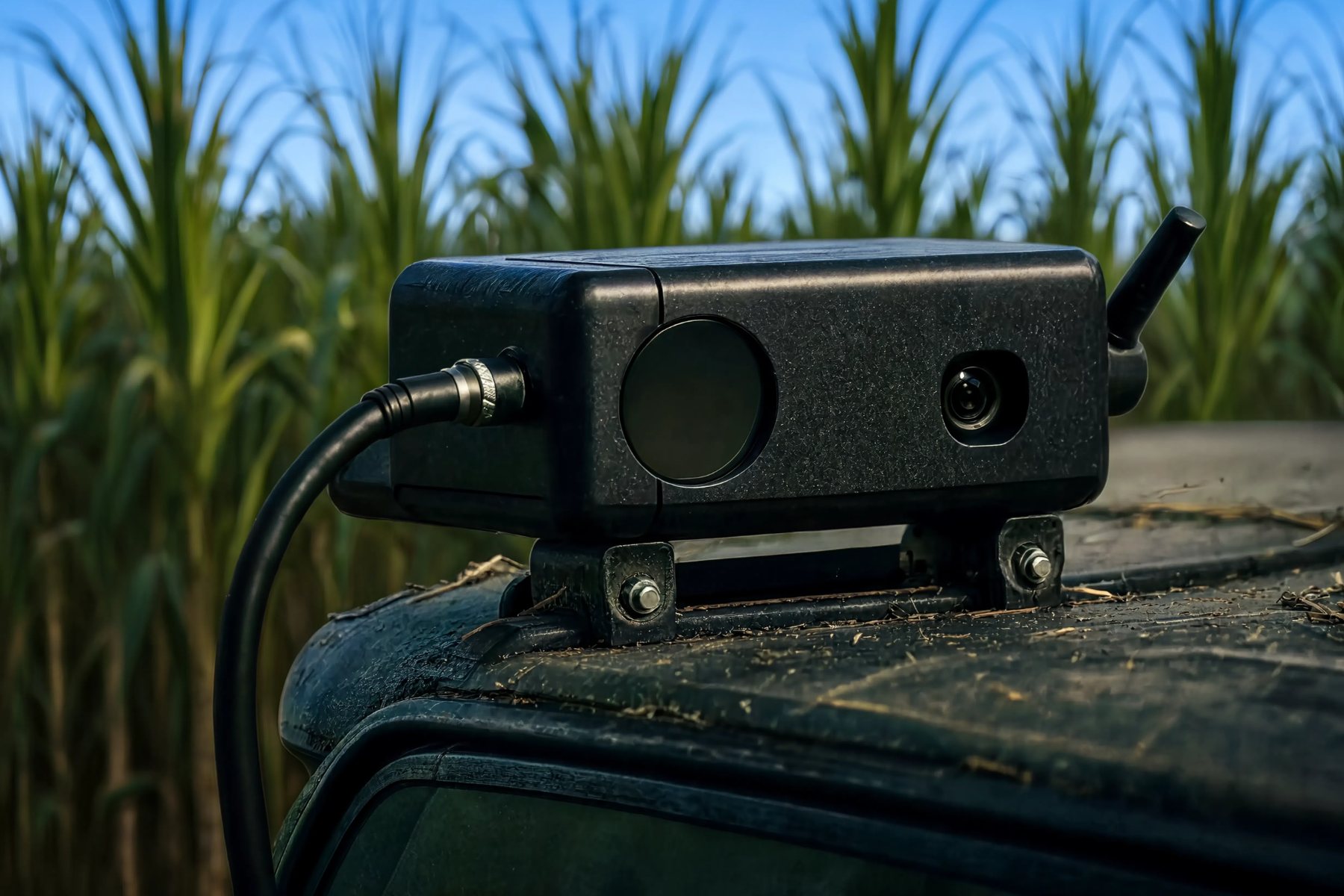
Carbonova's CarbonOS platform automates the calculation of embedded emissions per product, generates reports in the format required by CBAM via the Compliance Hub, and maintains the complete audit trail necessary for verification. With integration to operational data via Signal Ingest and calculations via our Emissions API with over 50,000 global factors, your company has the complete infrastructure to respond to CBAM with confidence.
Schedule a demo and see how to turn CBAM compliance into competitive advantage.



.avif)


