.avif)

How Artificial Intelligence Is Revolutionizing Carbon Management

The problem: manual carbon management doesn't scale
Most companies still manage their carbon emissions through spreadsheets, occasional consultancies, and retrospective annual reports. This model has structural limitations: data arrives months late, calculation errors are common, and the cost of maintaining dedicated climate compliance teams is prohibitive for most organizations.
With the arrival of SBCE, CBAM, CSRD, and other regulatory frameworks, the demand for accurate, traceable, and auditable data has grown exponentially. The manual model simply can't keep up.
AI Agents: the new generation of climate management
Carbonova operates with 15 specialized AI agents that cover the entire carbon management cycle. Unlike generic chatbots, these agents are specifically trained for carbon and energy tasks, each with expertise in a specific area:
The Signal Ingest Agent normalizes data from multiple sources (SCADA, ERP, IoT, meters) into a consistent, versioned format. The Carbon Intelligence Agent continuously calculates emissions, detects anomalies, and keeps the carbon ledger updated. The Compliance Agent monitors regulations in real time and generates reports ready for CBAM, SBCE, CSRD, CVM, and GHG Protocol.
The Trading Agent evaluates credit buying and selling opportunities with integrity scoring. The Risk Agent models climate, operational, and regulatory risks with predictive analysis. And the Decarbonization Planner suggests reduction trajectories aligned with SBTi and the Paris Agreement.
Practical use cases
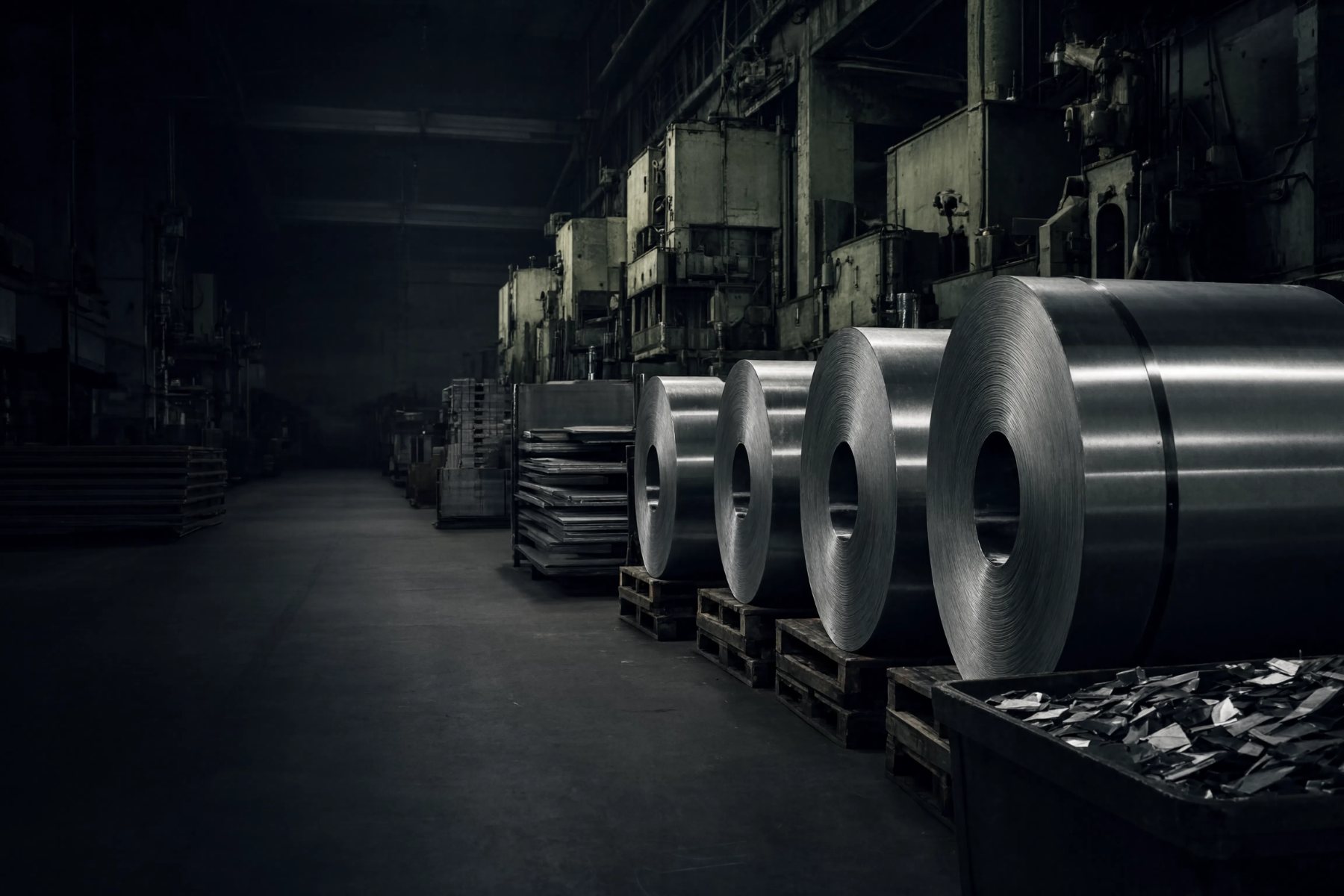
Steelmaking: A steelmaker exporting to the EU can use AI to calculate embedded emissions per product in real time, automatically generate CBAM reports, and identify which processes have the greatest reduction potential. The result: 90% faster compliance and 15-20% reduction in CBAM costs by using actual values versus default values.
Mining: Mines with distributed operations can integrate fleet, diesel, electricity, and process data into a unified dashboard. AI detects anomalous emission spikes (such as methane leaks or excessive generator use) and suggests corrections before they impact the inventory.
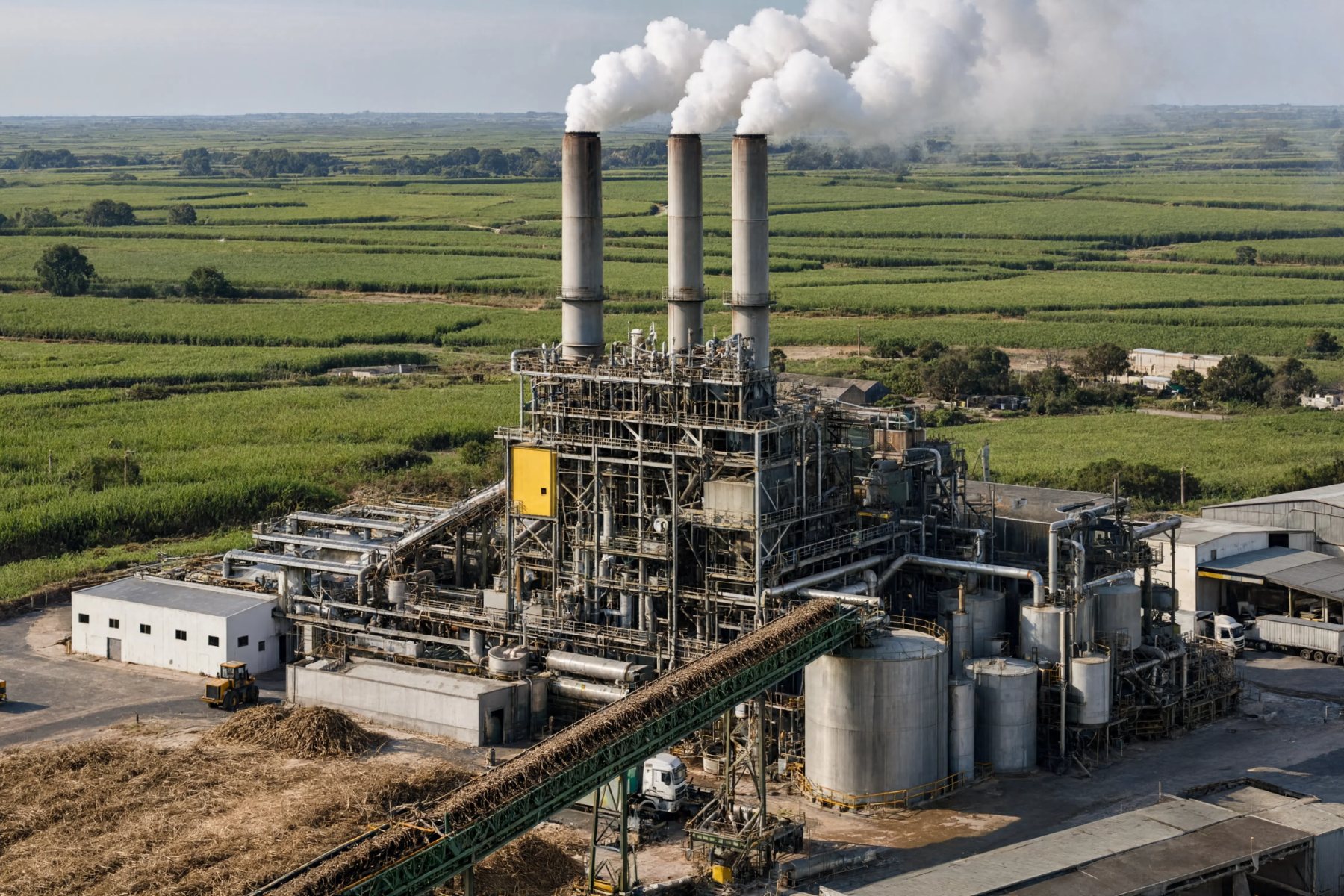
Agribusiness: Producers can use satellite monitoring and AI to certify carbon sequestered in preservation areas, generate Verra/VCS credits, and track low-carbon practices throughout the supply chain.
The ROI of climate AI
The benefits are measurable: 80-90% reduction in inventory preparation time; elimination of calculation errors that can result in regulatory fines; identification of reduction opportunities that pay for themselves in months; revenue generation through carbon credits previously unidentified; and continuous compliance with multiple frameworks without multiplying teams.
Companies adopting AI for carbon management are not just optimizing compliance — they are transforming environmental data into competitive advantage and new revenue streams.
Get started now
Carbonova offers the CarbonOS platform with 15 specialized AI agents, integration with existing systems, and measurable results from the first month. Schedule a demo and discover how AI can transform your company's carbon management.



.avif)


